
The signs of seasonal affective disorder include low mood, low energy, oversleeping, carb cravings and pulling away from people. They usually start in late fall or early winter and ease in spring. The National Institute of Mental Health calls it a type of depression with a seasonal pattern.
Every November the headlines say “winter blues” and mean three different things. I have read the study behind the headline for years, and seasonal depression is a good example. The research is more careful than the caption, so let’s stick to what the research says.
A note from where I live. I am in Phoenix, and the NIMH says this condition is more common farther from the equator. It gives Alaska and New England as examples of higher risk than Texas or Florida. Our winters here are mild and bright, so short gray days are not what people talk about. Snowbird season is different: it brings people from northern states who know those days well. I walk early most mornings, mostly to beat the heat, and I keep that walk going through winter.
Signs and symptoms of seasonal affective disorder
Start with what seasonal affective disorder, or SAD, actually is. The NIMH says its symptoms last about four to five months of the year. Winter-pattern SAD is the more common kind. Summer-pattern SAD exists but is less common. The American Psychiatric Association says the formal name in the DSM-5-TR is “major depressive disorder with seasonal pattern.”
Because it is a form of depression, the core signs look familiar. The Mayo Clinic lists feeling listless, sad or down most of the day, nearly every day. It also lists losing interest in things you used to enjoy, low energy, trouble concentrating, and feelings of hopelessness, worthlessness or guilt. For a fuller list, see our guide to depression symptoms and signs.
What makes it seasonal is the timing. The NIMH links the symptoms to changes in daylight. Holiday stress is not the cause. Most of us feel a little slower when the clocks go back and it is dark by dinner. SAD is a bigger and longer shift than that.
Early signs of seasonal affective disorder
The NIMH says that in most cases winter-pattern symptoms start in late fall or early winter. That means the first signs tend to be the ones that are easy to write off as a slow week. Here are the winter-pattern signs the NIMH lists:
- Oversleeping, which doctors call hypersomnia.
- Overeating, with cravings for carbohydrates and weight gain.
- Social withdrawal, which the NIMH describes as feeling like you are “hibernating.”
The Mayo Clinic gives a nearly identical winter list: oversleeping, a pull toward high-carb foods, weight gain and low energy. One of these alone is not a diagnosis. Several at once, every year at the same time, is the pattern to notice.
The Cleveland Clinic also separates SAD from the “winter blues.” It says the milder winter blues affect roughly 10% to 20% of people in America, while about 5% of U.S. adults have SAD. The difference is how much it gets in the way of daily life.
Physical symptoms of seasonal affective disorder
Depression is not only a mood. Several signs show up in the body, and people often miss them for that reason. The sources name these:
- Fatigue that persists despite extra sleep, and restlessness or slowed movement or speech, according to the American Psychiatric Association.
- Heavy-feeling limbs, along with irritability and anxiety in some people, according to the Cleveland Clinic.
- Unexplained physical pain, sleep changes and appetite changes, listed among the general depression symptoms by the NIMH.

Summer-pattern signs
Not everyone gets worse in the dark months. The NIMH says the summer pattern looks different. Instead of sleeping more, people may have insomnia. Instead of overeating, they may have a poor appetite and weight loss. Restlessness, agitation and anxiety can also show up.
The Mayo Clinic lists the same set for spring and summer onset: trouble sleeping, poor appetite, agitation or anxiety, and increased irritability. The NIMH also notes that light therapy and vitamin D are used mainly for winter pattern, and that no treatment is specific to summer pattern.
Who is more likely to get it
The NIMH says SAD occurs much more often in women than in men. The Mayo Clinic adds that it is more frequent in younger adults, and that blood relatives with SAD or another depression raise the risk. MedlinePlus agrees: it is more common in women, young people and those who live far from the equator.
The American Psychiatric Association says SAD typically begins between ages 18 and 30, though it can start at any age. It also says symptoms usually last about 40% of the year.
Warning signs of seasonal affective disorder that need a doctor
The Mayo Clinic says to see a health care provider if you feel down for days at a time and cannot get motivated to do things you normally enjoy. It says to seek help sooner if your sleep or appetite has changed, if you rely on alcohol to relax, or if you feel hopeless or think about suicide.
A medical visit also helps rule out other causes. The American Psychiatric Association recommends an evaluation to check for conditions that can mimic SAD, such as hypothyroidism. The NIMH says a provider may use a questionnaire.
If you are thinking about suicide or are in crisis, call or text 988 to reach the 988 Suicide & Crisis Lifeline in the United States. It is free and available around the clock. In a life-threatening emergency, call 911.
What helps seasonal affective disorder
Treatment is worth knowing about before you need it. The NIMH recommends a personal plan, and says treatment can start before symptoms usually begin. These are the main options:
- Light therapy. The NIMH describes sitting in front of a very bright light box (10,000 lux) every day, usually in the morning, from fall to spring. Session lengths vary by source, so ask your provider what fits you. The Mayo Clinic says to use it within the first hour of waking, and to talk with your provider about which box to buy.
- Talk therapy. The NIMH describes a type of talk therapy made for SAD. It usually means two group sessions a week for six weeks. In one long-term study its benefits lasted longer than light therapy.
- Medication. The NIMH says antidepressants can be used alone or with talk therapy. The FDA has approved extended-release bupropion for SAD. Taken daily from fall through early spring, it can help prevent episodes.
- Vitamin D. The NIMH says studies show mixed results. The Mayo Clinic advises checking with your provider or pharmacist before taking any supplement, since some can interact with prescription medicines.
The Cleveland Clinic warns that light therapy can cause eyestrain, headaches or trouble sleeping. It says people with diabetes, retinal conditions or bipolar disorder should talk to a provider first. The Mayo Clinic says to tell your provider if you have bipolar disorder, because light therapy and antidepressants can both potentially trigger a manic episode.
Everyday habits that can support treatment
Habits do not replace treatment, but the sources say they can help. The Mayo Clinic says outdoor light can help, especially time outside within two hours of getting up in the morning. It also says exercise and other physical activity help relieve stress and anxiety, which can make SAD symptoms worse.
A morning walk fits that advice. If you want ideas, we have a post on how to improve your daily walks. The American Psychiatric Association adds that healthy eating, good sleep and staying connected with people can help.
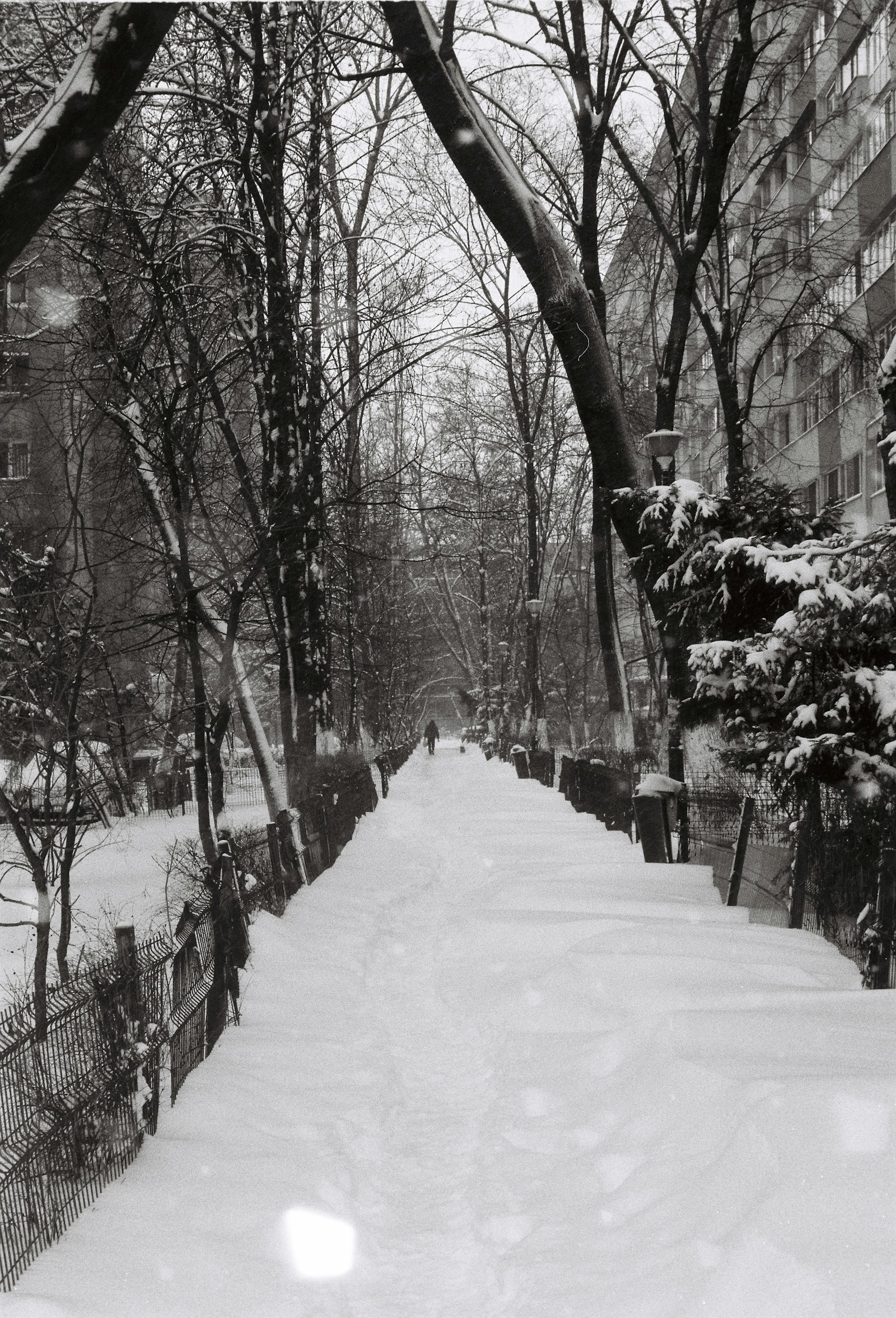
For darker evenings indoors, our short list of ways to brighten your home is a gentle place to start. It is no substitute for a light box or a talk with your doctor.
Frequently asked questions about seasonal affective disorder
Can seasonal affective disorder happen in summer?
Yes. The NIMH says summer-pattern SAD is less common than winter pattern. It tends to bring insomnia, poor appetite with weight loss, restlessness and anxiety instead of oversleeping and weight gain.
When does seasonal affective disorder usually start and end?
The NIMH says winter-pattern symptoms usually start in late fall or early winter and go away in spring and summer. MedlinePlus describes the same timing.
Is seasonal affective disorder the same as the winter blues?
No. The Cleveland Clinic says the winter blues are milder and affect roughly 10% to 20% of people in America, while about 5% of U.S. adults have SAD. A provider can tell you which one fits.
Does a light therapy lamp help seasonal affective disorder?
It can. MedlinePlus calls light therapy the main treatment for SAD, and the Mayo Clinic says it generally starts working in a few days to a few weeks. Ask your provider which box to use and when, because some medical conditions call for extra care.
When should I see a doctor about seasonal affective disorder?
The Mayo Clinic says to see a provider if you feel down for days at a time and cannot get motivated, and sooner if sleep or appetite changes, or if you feel hopeless or think about suicide. In the U.S., call or text 988 in a crisis.
This article is general information, not medical advice. Talk to your doctor about your own health.