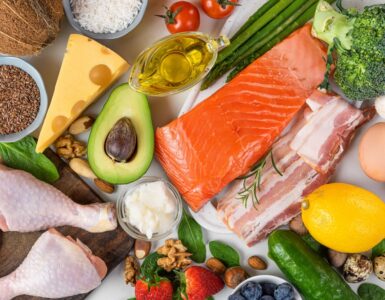
A plant-based diet is a dietary regimen consisting mostly or entirely of foods derived from plants. Unlike strict veganism, which is a lifestyle excluding all animal products and by-products, “plant-based” is often used as an umbrella term. It focuses on minimally processed, whole foods and emphasizes the inclusion of plant sources while minimizing or excluding meat, dairy, and eggs.
By prioritizing foods derived from plants—such as fruits, vegetables, nuts, seeds, and whole grains—individuals are finding they can maintain high energy levels while significantly reducing their environmental footprint. Whether motivated by animal welfare, climate change, or a desire to live a longer, more vibrant life, the move toward plant-forward eating is gaining momentum across the globe.
Despite the myriad benefits of practicing a diet revolving around plant-based foods, when taken to an extremity, it can yield nutritional deficiencies and adverse outcomes. In this guide, we’ll explore the risks and benefits of plant-based diets, allowing you to make a more informed decision on its cumulative efficacy.
Benefits
Cardiovascular Health
The relationship between a plant-based diet and cardiovascular health is one of the most well-documented areas in nutritional science. Adopting an eating pattern centered on whole, plant-derived foods can serve as a powerful tool for both the prevention and management of heart disease.
Choosing a plant-based diet provides a multi-faceted defense against cardiovascular disease. By lowering blood pressure, optimizing cholesterol profiles, and reducing inflammation, this dietary approach addresses the root causes of heart-related issues. Whether used as a primary preventive measure or a therapeutic intervention, focusing on whole plant foods supports long-term heart resilience and vascular vitality.
Weight Management
A plant-based approach to weight management works because it addresses the nutrient-to-calorie ratio. By emphasizing foods that are rich in vitamins, minerals, and antioxidants, the body receives the micro-nutrition it needs to function optimally, which can reduce “hunger signals” triggered by nutrient deficiencies often found in highly processed diets. Additional research also
Most vegetables and fruits have a high water and fiber content, meaning they provide a larger volume of food for a relatively low amount of energy. This allows for more satisfying portion sizes while maintaining a caloric deficit. Additional research also suggests that plant-based diets can increase the body’s post-meal metabolism. The process of breaking down complex carbohydrates and plant fibers requires more energy than processing highly refined fats or simple sugars.
Lowers Risk of Diabetes
The adoption of a plant-based diet is one of the most effective lifestyle interventions for reducing the risk of developing Type 2 diabetes. By focusing on whole, fiber-rich foods and eliminating processed animal products, individuals can significantly improve their metabolic health and insulin sensitivity.
Plant-based diets, particularly those rich in whole grains and legumes, help the body’s cells respond more effectively to insulin. This prevents the “insulin resistance” that often serves as the precursor to Type 2 diabetes. The high fiber content also found in plants slows the absorption of glucose into the bloodstream. This prevents the sharp spikes and crashes in blood sugar that can damage the pancreas over time.
Improves Gut Biome
The relationship between a plant-based diet and the gut microbiome is a cornerstone of modern nutritional science. The gut biome, a complex ecosystem of trillions of microorganisms residing in the digestive tract, thrives on the diverse nutrients provided by plant foods, which in turn influences everything from immunity to mental clarity.
Plants are the primary source of prebiotics—non-digestible fibers that act as “fuel” for beneficial bacteria. While the human body cannot digest these fibers, bacteria like Bifidobacteria and Lactobacilli ferment them, allowing these healthy populations to flourish. When gut bacteria break down plant fibers, they produce SCFAs, such as butyrate. These compounds are essential for maintaining the integrity of the intestinal lining, reducing gut permeability (often called “leaky gut”), and lowering systemic inflammation.
Ethical Benefits
Adopting a plant-based diet is widely considered one of the most impactful ways an individual can reduce their environmental footprint and align their lifestyle with ethical principles. This shift addresses the global challenges of resource depletion and climate change. Animal agriculture is a leading contributor to global emissions, primarily through methane from livestock and nitrous oxide from fertilizers. Plant-based protein sources, like lentils and tofu, generally produce a fraction of the carbon footprint of beef or lamb.
Moreover, another direct benefit of a plant-based diet is the consequent elevation of animal welfare. Plant-based eating eliminates participation in industrial farming systems where animals often live in confined or high-stress environments.
Risks
Bone Health
Achieving optimal bone health requires careful attention to specific nutrients that are more concentrated or more easily absorbed in animal products. While many plants contain calcium, some are high in oxalates, which bind to the calcium and prevent the body from absorbing it. Without intentional sourcing from low-oxalate greens (like kale or bok choy) or fortified foods, bone mineral density may decrease.
Naturally occurring Vitamin D is also rare in the plant kingdom. Since Vitamin D is essential for calcium absorption, a lack of sun exposure or supplementation can lead to weakened bones and an increased risk of fractures.
To mitigate these risks, it is vital to focus on weight-bearing exercise and the intake of Vitamin K2, which helps direct calcium away from the arteries and into the bone matrix. Many plant-based eaters find success by incorporating fortified plant milks and fermented foods like tempeh or natto.
Protein Quality and Adequacy
The transition to a plant-based diet often raises questions regarding protein quality and adequacy. While it is entirely possible to meet all protein requirements through plants, understanding the nuances of amino acid profiles and digestibility is essential for preventing muscle loss and supporting metabolic function.
Most individual plant proteins (with exceptions like soy, quinoa, and buckwheat) are “incomplete,” meaning they are low in one or more essential amino acids. For example, grains are often low in lysine, while legumes are often low in methionine. To reach the same amount of protein found in a lean piece of chicken, one might need to eat a larger volume of lentils or beans. While healthy, this comes with a higher intake of carbohydrates and calories, which must be accounted for in a balanced meal plan.
Overreliance on Processed Foods
The rise of “vegan junk food” has introduced a significant risk to the modern plant-based movement: the overreliance on ultra-processed foods. While these products offer convenience and a bridge for those transitioning away from meat, they often lack the nutritional benefits associated with a whole-food, plant-forward lifestyle.
Often, to replicate the savory flavor of meat, many plant-based burgers, sausages, and deli slices contain excessive amounts of sodium. High salt intake can counteract the blood pressure benefits typically associated with plant-based eating. Thickening agents, artificial colorings, and preservatives are also often used to achieve a “meat-like” texture. Emerging research suggests that certain emulsifiers may disrupt the delicate balance of the gut microbiome.
The primary risk of an overreliance on processed plant-based foods is the loss of the nutrient density that makes plant-based diets effective. While processed alternatives can be helpful for occasional convenience, a diet dominated by ultra-processed items can lead to excessive intake of sodium, saturated fats, and empty calories. To maximize health benefits, the “plant-based” label should ideally represent a foundation of whole, recognizable foods rather than industrial recreations of animal products.
Iron Deficiency
Maintaining adequate iron levels is a critical consideration for those on a plant-based diet. While iron is abundant in the plant kingdom, the form of iron found in plants differs significantly from that found in animal tissues, leading to potential risks if not managed correctly.
The most effective way to mitigate these risks is through nutrient pairing. Consuming a source of Vitamin C (like bell peppers, citrus, or broccoli) alongside iron-rich plant foods can increase the absorption of non-heme iron by up to six times. Additionally, techniques such as soaking grains and sprouting legumes can reduce phytate levels.
Lack of B12
Vitamin B12 is arguably the most critical nutrient for those following a plant-based diet to monitor. Because B12 is produced by bacteria and is primarily found in animal tissues, a diet strictly composed of plants carries a high risk of deficiency without proactive intervention.
B12 is essential for the maintenance of the myelin sheath, the protective coating that surrounds nerves. Chronic deficiency can lead to irreversible nerve damage, manifesting as tingling or numbness in the hands and feet (paresthesia), balance issues, and muscle weakness. A lack of B12 also interferes with normal DNA synthesis, causing the body to produce abnormally large, immature red blood cells. Unlike iron-deficiency anemia, these cells cannot function properly, leading to extreme fatigue, lethargy, and a pale or yellowish tint to the skin.
Since plants do not naturally produce B12, those adhering to a plant-based diet should seek out sources of “fortified foods,” such as plant milks, breakfast cereals and certain soy products; and supplement their daily caloric intake with supplements like cyanocobalamin or methylcobalamin.