
Social media began as a way to connect, but it has quietly become an architecture that shapes how we feel, think, and relate. Whether you’re a parent watching a child learn to compare, a professional managing attention and output, or someone who simply wants to feel more present, the negative effects of these platforms ripple through your mental health, relationships, and productivity. The stakes aren’t just personal discomfort, they can also shape career trajectories, parenting styles, and civic discourse.
Beyond individual harm, the systems powering social media amplify numerous deleterious tendencies, or provide increased access to pernicious external influences. Algorithms engineered for engagement reward extremes, adversely impacting individual welfare as well as communal well-being.
Here, we’ll explore several of the negative effects of social media while also identifying strategies to militate against their influence.
Mental Health Problems

The impact of social media on mental health is characterized by a complex interplay of neurobiology and social psychology. By leveraging persuasive design, namely “likes” and “shares,” these platforms can trigger the brain’s reward system similarly to gambling. When these digital rewards are absent, or when a user is subjected to negative social comparisons and online hostility, it can exacerbate underlying vulnerabilities. This often manifests as a decline in mindfulness and an increase in psychological dependency, where a person’s sense of self-worth becomes inextricably tied to their digital footprint.
Sleep Disruption
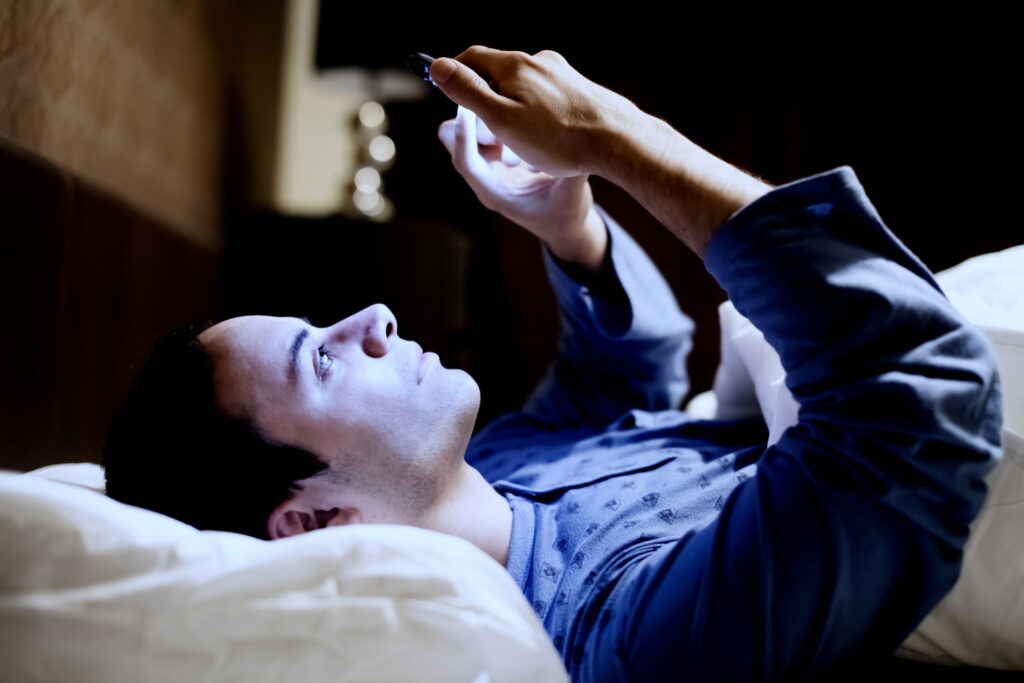
Biologically speaking, the high-intensity blue light from screens suppresses the pineal gland’s release of melatonin, essentially “tricking” the brain into thinking it is still daytime. Psychologically, social media content often triggers emotional valence—whether it’s the stress of a political debate or the excitement of a social invitation—which increases heart rate and cortisol levels. Behaviorally, the habit of keeping a device within reach creates a “pathway of least resistance” for distraction, leading to significantly delayed sleep onset. This creates a feedback loop where poor sleep leads to lower impulse control the following day, making it even harder to put the phone down the next night.
Cyberbullying
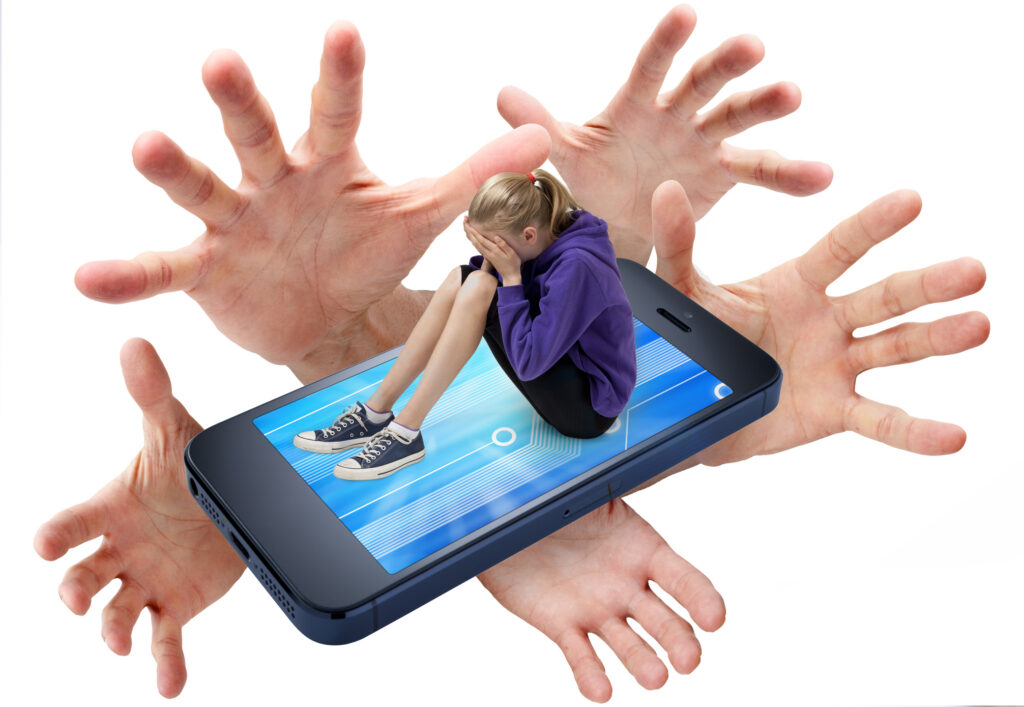
Cyberbullying is a critical negative effect of social media that transforms digital tools into weapons of harassment. It is characterized by its persistence, reach, and anonymity, leading to devastating consequences for a victim’s mental and physical health.
Cyberbullying on social media creates an environment of pervasive vulnerability, where the traditional “safe haven” of the home is compromised by the constant connectivity of smartphones. This form of digital aggression is particularly damaging because it allows the bully to strike at any time without the victim being able to defend themselves in real-time. The psychological weight is compounded by what is referred to as the bystander effect: often, peers who witness the bullying online remain silent or “like” the content to avoid becoming targets themselves. This collective silence reinforces the victim’s sense of alienation and can lead to severe long-term trauma, including chronic depression and social anxiety
Body Image

Frequent consumers of social media are often bombarded with curated, high-status images, by default causing dissatisfaction with one’s own body. In essence, this dissatisfaction becomes standardized, often escalating into conditions of disordered eating when individuals attempt to gain a sense of control over their lives through caloric restriction, purging, or compulsive exercise. The danger is compounded by the “echo chamber” effect, where social media algorithms serve increasingly extreme content to users already struggling with their body image, effectively validating and normalizing harmful behaviors.
Polarization
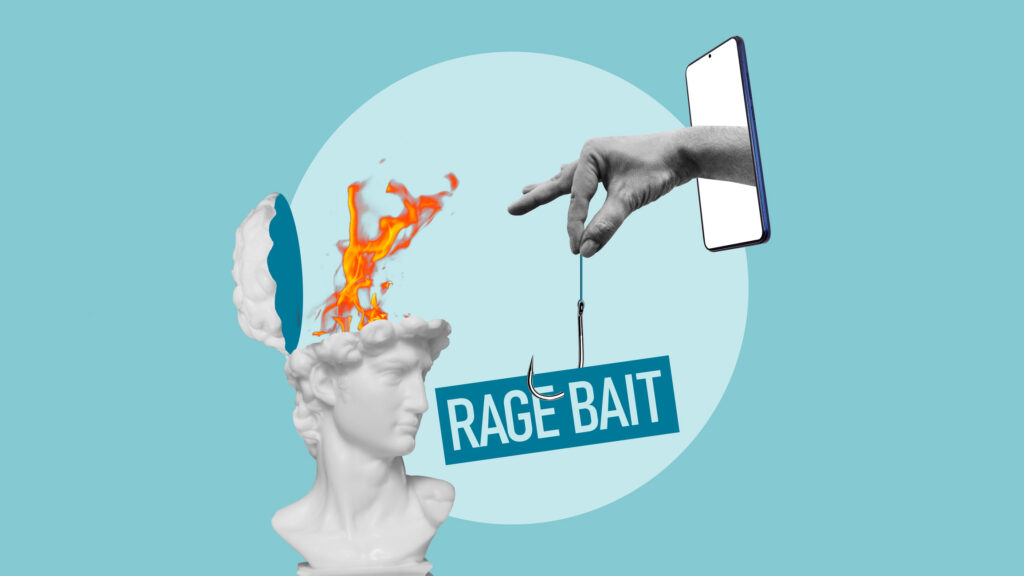
The phenomenon of polarization on social media is driven by confirmation bias. The primary objective of social platforms is to attain profits from advertising revenue, which means sustained user engagement is critical. Unfortunately, psychological studies show that outrage and indignation are more effective at capturing attention than calm, rational debate. This creates a feedback loop where moderate voices are drowned out by more extreme, vocal minorities who dominate the digital conversation. As users become more entrenched in their “in-group” identities, the “out-group” is increasingly dehumanized. This digital tribalism moves beyond the screen and into real-world interactions, leading to a breakdown in social cohesion.
Data Exploitation
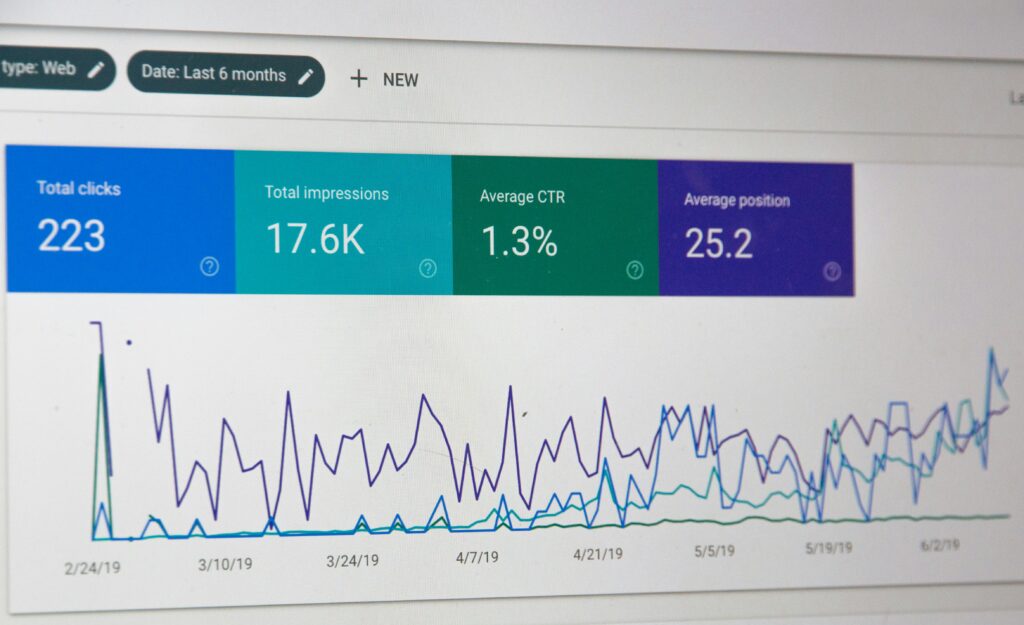
Online platforms possess near-total visibility into a user’s life while keeping their own data-processing methods opaque. This exploitation is rarely about a single data point; rather is more involved with aggregating seemingly boring personal metrics to enhance and extend a user’s online engagement.
Additionally, with the integration of generative AI, the acquisition of sensitive personal data is being repurposed to create digital twins or synthetic content that can be used for misinformation. This “extraction-first” business model treats human experience as raw material for commercial processing, leading to a profound loss of digital agency and a society where personal privacy is increasingly being treated frivolously.
Attention Span
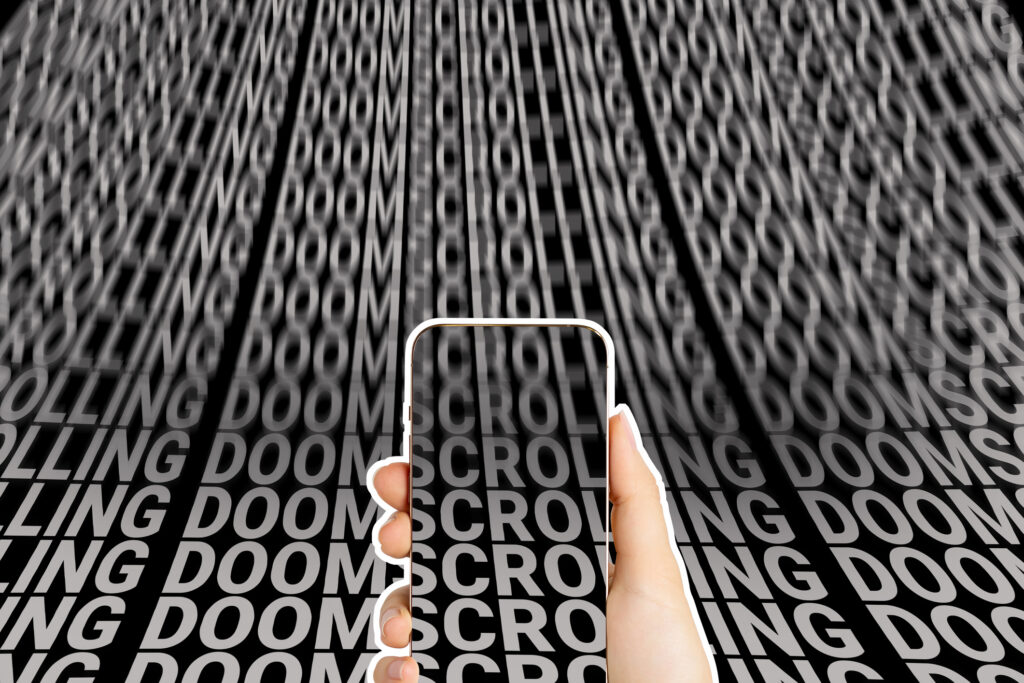
The reduction of attention span derived from social media use is largely driven by neuroplasticity, the brain’s ability to reorganize itself based on repeated behaviors. When a user spends hours daily engaging with high-speed, algorithmically-curated content, the brain’s dopaminergic pathways become calibrated to low-effort rewards. This creates a “scarcity of attention,” where the prefrontal cortex is essentially outcompeted by the more primitive, novelty-seeking parts of the brain. Over time, this results in acquired ADHD-like behaviors, where individuals find it increasingly difficult to filter out irrelevant stimuli or maintain a singular train of thought without the “itch” to check a device for a fresh hit of novelty.
To summarize, the reduction in attention span is a structural negative effect of social media’s “short-burst” content delivery. By prioritizing instant gratification and constant context switching, these platforms erode our capacity for deep, meaningful focus.
Social Skills

Degradation of social and interpersonal skills shares a high correlation with social media consumption. Though social media use can serve as a curative to immediate social anxiety, it fails to build the “social muscle” required for the spontaneous, messy nature of real-life dialogue. Consequently, heavy social media users may experience social atrophy, where they feel increasingly overwhelmed by the unpredictability of face-to-face encounters. This can lead to a preference for digital interaction, creating a self-reinforcing cycle of social withdrawal.
Tips For Social Media Use
- Post With Purpose: Before posting, ask if your content adds value, shares a genuine moment, or fosters a helpful discussion. Moving away from performative posting reduces the anxiety of seeking validation.
- Establish Boundaries: Use “App Timers” or “Focus Mode” to prevent social media from bleeding into work, meals, or family time. Establishing “analog zones” in your day helps maintain mental presence.
- Digital Detox Weekends: Another way to mitigate the negative effects of social media is honoring a digital detox weekend, which can expedite a reclamation of your personal attention and autonomy. Digitally detoxing helps ensure that technology remains a tool for connection and information rather than a source of psychological strain.
- Auditing Notifications: By turning off non-essential notifications, one can shift from a reactive state to a more intentional one. It can allow an individual to leverage social media for its strengths, like community and information, while decreasing the negative effects of constant distraction and social comparison.
- Physical Substitutions: By utilizing physical substitution, one provides the brain with a “tangible exit” from digital loops. Establishing positive habits, such as starting the day with movement rather than a screen, ensures one’s attention remains focused on real-world goals and physical well-being.