
You’ve seen the words on a cereal box or a prenatal bottle: folic acid, folate, vitamin B9. Maybe you’ve wondered if it’s just one more thing to worry about, one more nutrient competing for your attention. It isn’t. Folic acid works quietly in the background of your body, doing something almost every cell depends on, and you don’t need a science degree to understand why it matters. You just need someone to walk you through it without the jargon, without the guilt, and without pretending there’s only one right way to think about your health. That’s what this is. No spreadsheets of clinical data. No stacked citations. Just an honest, plain-language look at what folic acid actually does, why it shows up so often in conversations about pregnancy, why it matters for kids and for aging adults too, and why giving your body this one small thing is an act of care, not a chore.
Wherever you are in life, whatever stage you’re navigating, folic acid has something to offer you. You deserve to understand it on your own terms, at your own pace, without pressure. Let’s take it slow.
What Folic Acid Actually Is
Folic acid is the synthetic, stable form of a B vitamin your body needs to build and repair DNA. Folate is the version found naturally in leafy greens, beans, and citrus. Your body treats them similarly, converting both into the active form it actually uses at the cellular level. Every time a cell divides, it has to copy its entire genetic blueprint first. That copying process depends on folate. No shortcuts exist. Without enough of it, cell division slows down or goes wrong in small, cumulative ways.
You don’t need to memorize the biochemistry to appreciate what’s happening. Think of folate as part of your body’s editing and printing department. New cells are constantly needed, replacing skin, blood, and the lining of your gut. Folate helps make sure those new copies come out correctly. It’s unglamorous work, done in the background, and that’s exactly why it’s easy to overlook until something reminds you it’s there.
Why Folic Acid Gets So Much Attention Around Pregnancy

If you’ve heard about folic acid in one context more than any other, it’s probably pregnancy. That’s not an accident, and it’s not something to feel anxious about either. During the earliest weeks of pregnancy, often before a person even knows they’re expecting, a structure called the neural tube is forming. This becomes the brain and spinal cord. Folate plays a central role in that formation process.
This is why so many conversations about reproductive health mention folic acid early and often, sometimes even before conception is being actively planned. It’s not about fear. It’s about timing. The neural tube finishes closing within the first month of pregnancy, which means the folate needs to already be there, quietly doing its work, before most people have their first prenatal appointment.
Folic Acid in Childhood

Growth is, in a sense, one long project of cell division. Children are building bone, muscle, blood, and tissue at a pace adults simply don’t match anymore. Folate supports that constant construction. You don’t need to obsess over it or turn mealtimes into a performance review. Kids who eat a reasonably varied diet, with some fruits, vegetables, and fortified grains mixed in, are usually getting what they need without anyone needing to track it closely.
If you’re a parent who worries about whether you’re doing enough, let this be one small area where you can exhale a little. Folate is present in a lot of ordinary foods. You don’t have to engineer perfection. You just have to keep offering variety and let your child’s body do what it already knows how to do.
Folic Acid in Adulthood

Once you’re past the growth spurts of childhood and adolescence, folate doesn’t stop mattering. Your body is still replacing cells every single day. Your blood cells, in particular, rely on adequate folate to form properly. Without enough, red blood cells can become larger and less effective at carrying oxygen, leading to a kind of tiredness that’s easy to misattribute to stress or poor sleep.
This is where the empathy part matters most. If you’ve felt unexplained fatigue and nobody’s mentioned folate as a possible piece of that puzzle, you’re not imagining your exhaustion, and you’re not failing at self-care. Bodies are complicated, and fatigue has dozens of possible threads. Folate is simply one thread worth knowing about, not a verdict on how well you’re managing your life.
Folic Acid for Older Adults

As people age, the body’s relationship with folate shifts again. Absorption can become slightly less efficient. At the same time, folate continues to matter for cardiovascular health, cognitive function, and the ongoing maintenance of blood cells. Older adults sometimes hear about folate alongside vitamin B12, since the two work closely together and a shortage of one can sometimes mask a shortage of the other.
Where Folic Acid Actually Comes From

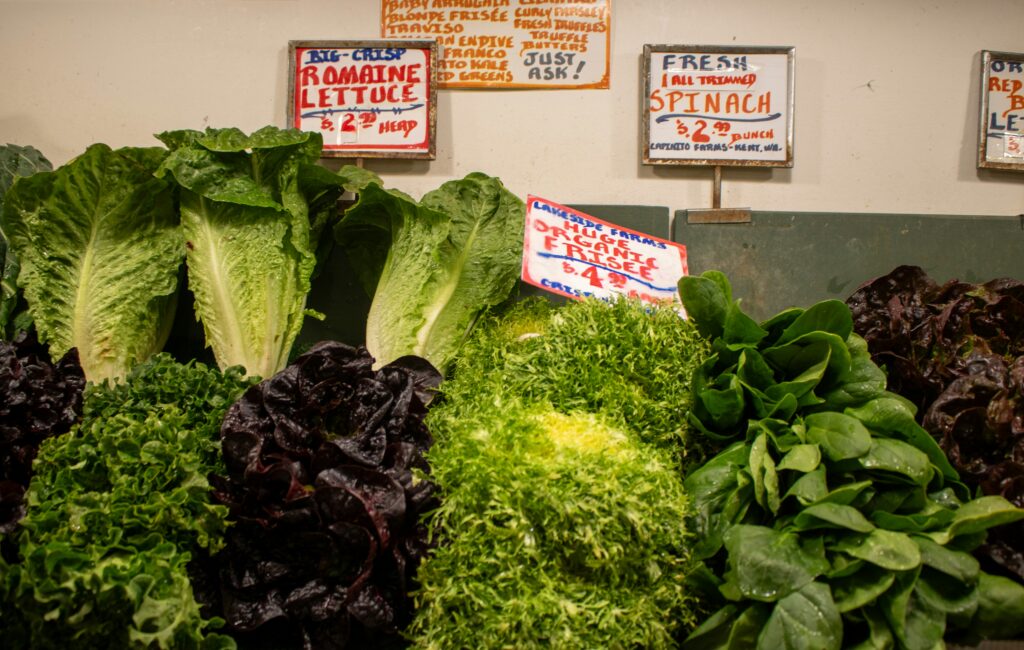
You’ll find folate naturally in leafy greens like spinach, in lentils, chickpeas, and other legumes, in oranges and other citrus, and in nuts and seeds. Folic acid, the synthetic form, is often added to fortified grains, cereals, and breads. Because of this fortification, many people get a meaningful amount without ever thinking about it directly. You’re not necessarily starting from zero, even if you’ve never once considered your folate intake before reading this.
The Myths That Tend to Get in the Way

A few misunderstandings tend to follow folic acid around, and it’s worth gently clearing them up, not to lecture you, but because misinformation often causes more worry than the actual vitamin ever would. One common belief is that folic acid is only relevant to people who are pregnant or actively trying to conceive. You’ve already seen why that’s incomplete. Every stage of life touches folate in some way, from a growing child’s bones to an aging adult’s blood cells.
Another misunderstanding treats folic acid as something you either get perfectly right or fail entirely. Bodies don’t work that way. Nutrient status exists on a spectrum, and a week of imperfect eating doesn’t undo months of reasonably balanced meals. If you’ve ever felt a flash of guilt scrolling past a headline about a vitamin you weren’t sure you were getting enough of, you can let that guilt go.
A third myth suggests that fortified foods make natural food choices irrelevant, or the reverse, that only whole foods count and fortification is somehow lesser. Neither extreme captures how your body actually works. It doesn’t care much where folate came from. It simply uses what’s available.
When It Might Be Worth a Conversation
There are moments when it makes sense to talk with a doctor or midwife about folate specifically, rather than just absorbing general information on your own. Planning a pregnancy is one of those moments. So is noticing persistent, unexplained fatigue that doesn’t improve with rest. So is managing a digestive condition that affects how your body absorbs nutrients in general. None of these situations require you to arrive with answers already prepared. You’re allowed to walk in simply saying, “I’ve been wondering about this,” and let the conversation unfold from there.
This isn’t about turning every vitamin into a medical event. Most days, most people don’t need to think about folate at all, and that’s exactly how it should feel: quiet, unobtrusive, present in the background without demanding your constant attention.