Most wellness travel is sold as a resort package: a villa, a spa menu and a week where nobody bothers you. These six cities in Asia do it differently. Here, wellness is part of ordinary city life. You can soak in a public bath for less than the price of a coffee, sit in a temple garden when it opens, or take a yoga class at an ashram that has run them for decades.
That’s useful if you want a trip that resets you but doesn’t keep you inside a gated compound. Each city below does one thing especially well, from Beppu’s hot springs to Rishikesh’s yoga schools. Each one also has a catch that a local would warn you about. Some are packed at the wrong hour. Some expect modest clothes and quiet voices. One expects you to get comfortable being naked around strangers.
The list covers Japan, South Korea, Thailand, India and Singapore, wellness-minded cities in Asia. A quick comparison comes first, followed by a section on each city.
1. Kyoto, Japan
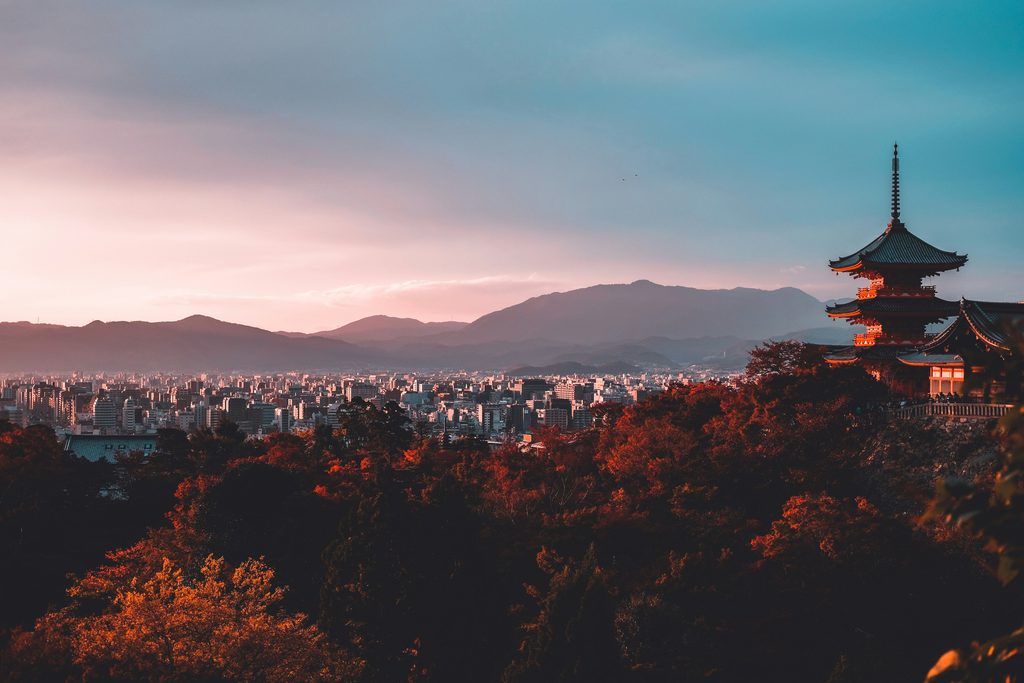
Kyoto is where to go if your idea of wellness is sitting still. The rock garden at Ryoan-ji has 15 stones set in raked gravel. From any one spot on the veranda, you can’t see all 15 at once. People sit there for a long time trying.
The Philosopher’s Path is a stone walkway of about two kilometers that follows a canal lined with cherry trees, between Ginkaku-ji and the Nanzen-ji area. It’s flat and easy, and it connects several smaller temples you can step into along the way.
For food, look for shojin ryori. This is the vegetarian Buddhist cuisine served at temples, and Shigetsu inside Tenryu-ji in Arashiyama is one of the best-known places to try it.
The catch is crowds. By mid-morning, the famous temples fill with tour groups, so the quiet you came for is gone. Arrive at opening time, or pick the smaller temples instead.
2. Beppu, Japan
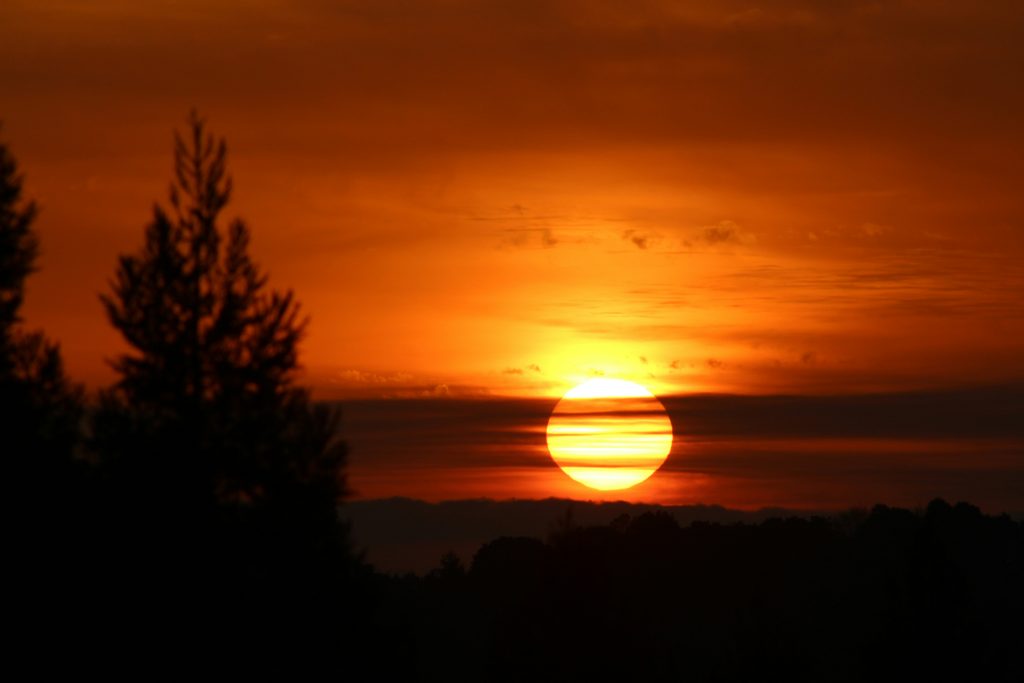
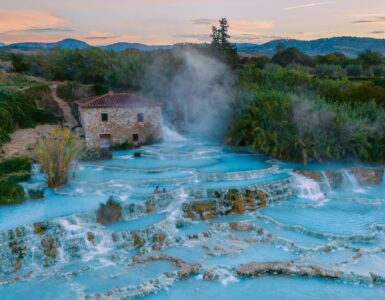
Beppu has more than 2,000 hot spring sources. Steam rises from vents across town, and the city is built around bathing in a way few places are.
There are two kinds of hot springs here. The “Hells of Beppu” are springs you look at, not soak in. They include a bright blue pond and a red, iron-rich one. For actual soaking, head to the public baths. Takegawara Onsen dates to 1879 and offers a sand bath: you lie down in a cotton robe, and staff shovel hot sand over you up to your neck.
Japanese bath etiquette applies. Wash and rinse completely at the shower stations before you get in, and keep your towel out of the water. Also note that some baths still turn away guests with tattoos, so check before you go if that applies to you.
3. Seoul, South Korea
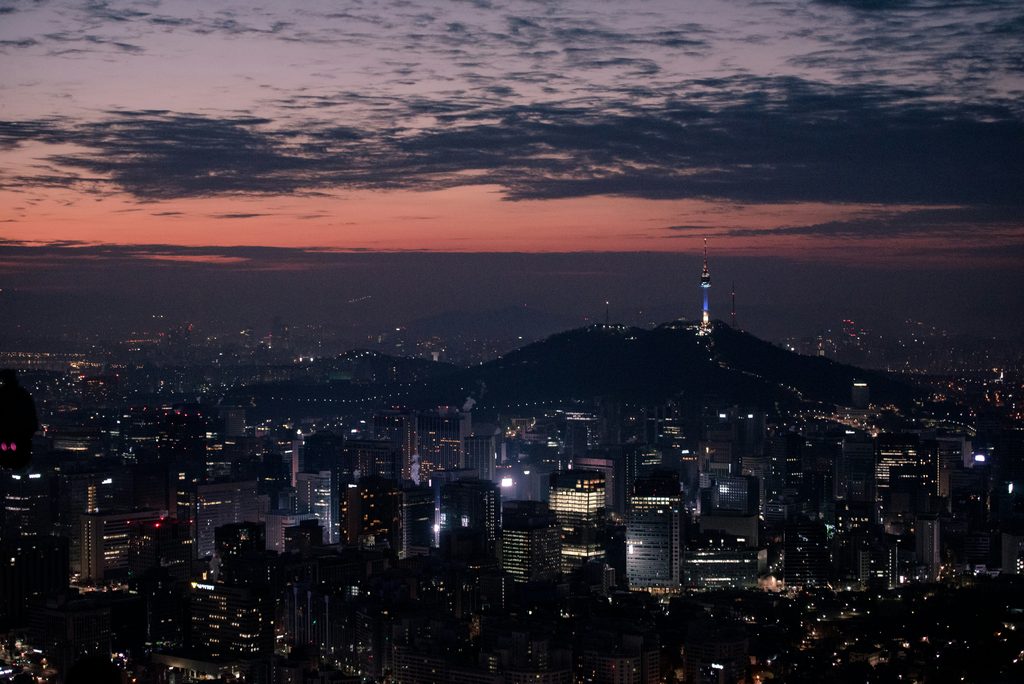
Seoul’s version of the spa is the jjimjilbang, a large bathhouse that’s often open all night. The hot and cold pools are separated by gender. After bathing, everyone changes into matching clothes the bathhouse provides and shares heated rooms, snack bars and sleeping mats. Some travelers stay the night instead of booking a hotel.
The bathing areas are fully nude. For many first-timers, that’s the biggest adjustment, and nobody else there gives it a second thought.
For something quieter, Korea’s Templestay program lets visitors spend a day or a night at a Buddhist temple, with meditation, a meal and early-morning chanting. Bongeunsa, in the middle of Gangnam, runs programs within walking distance of office towers. Bukhansan National Park is close enough to reach by subway, so you can fit a proper mountain hike into a city day.
4. Chiang Mai, Thailand
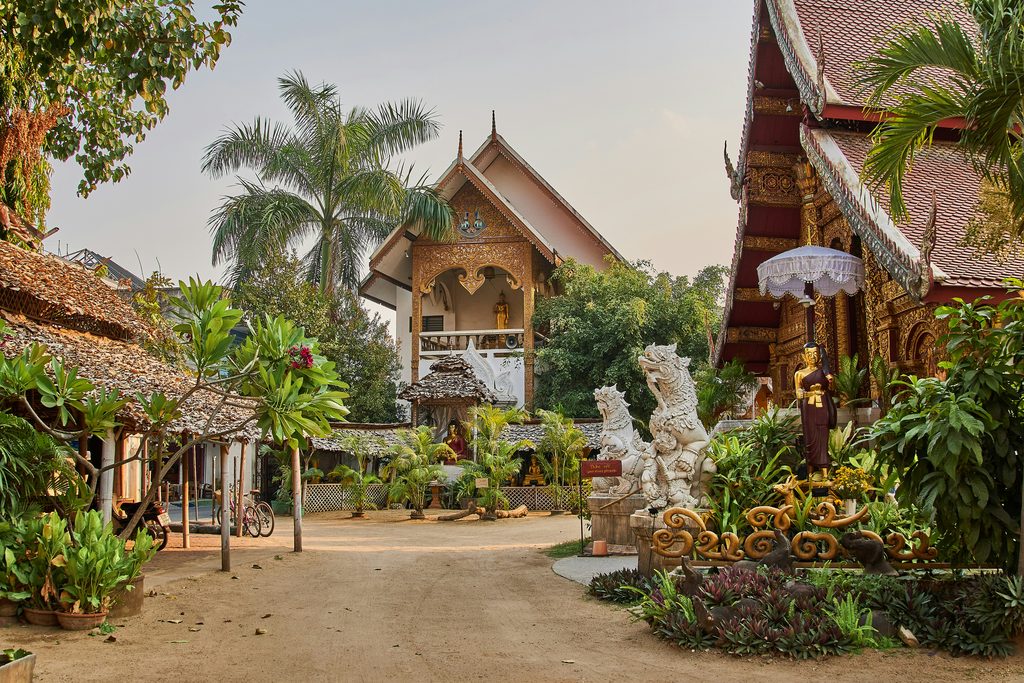
Chiang Mai is a city for learning a practice, not just receiving one. It has well over 300 temples, and several of them run “monk chat” sessions where visitors can sit down and ask monks questions. Wat Chedi Luang and Wat Suan Dok are the best-known spots.
Wat Umong is a forest temple at the edge of town. It has tunnels dating back centuries, with shrines inside, and the grounds stay calm even on busy days.
If you’d like to bring a skill home, Chiang Mai is a center for Thai massage training. The Old Medicine Hospital has taught traditional Thai massage since the 1960s, and many smaller schools offer short courses for beginners.
The warning matters here. From about February to April, farmers burn crop fields across northern Thailand, and the smoke can make Chiang Mai’s air quality some of the worst in the world. Plan a wellness trip for the cooler months, from November to January.
5. Rishikesh, India
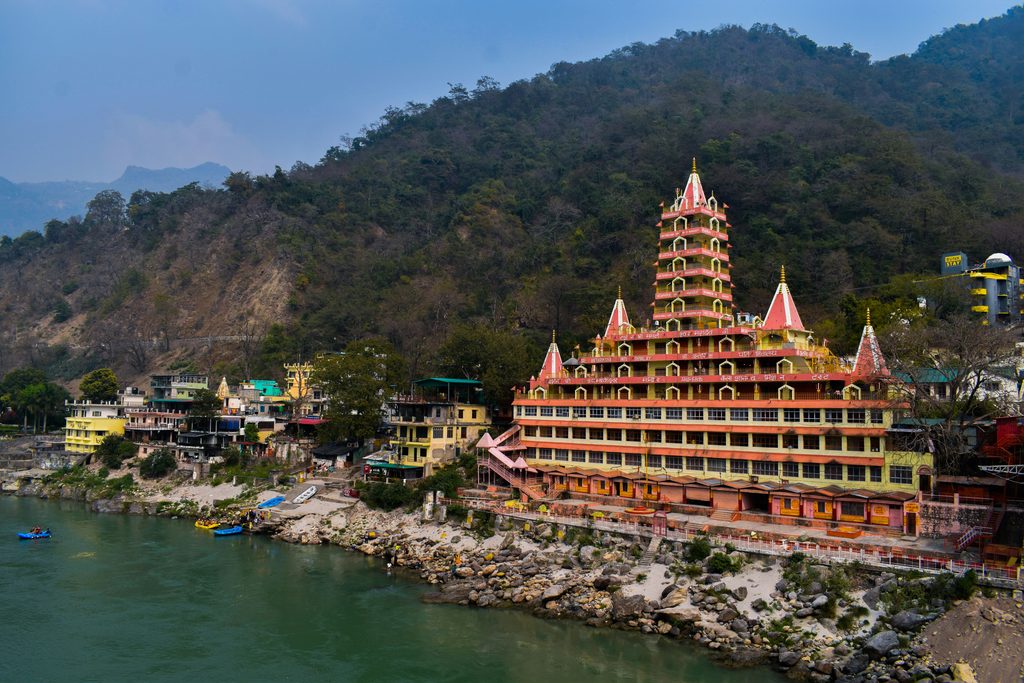
Rishikesh sits on the Ganges in the foothills of the Himalayas and calls itself the Yoga Capital of the World. The name fits. Ashrams and yoga schools line both banks, and every March, Parmarth Niketan hosts the International Yoga Festival.
Every evening, Parmarth Niketan also holds the Ganga Aarti on its riverside steps. It’s a ceremony of singing, lamps and fire offerings, and it’s open to everyone. Upstream, the ruined ashram where the Beatles stayed in 1968 is now part of Rajaji National Park. Its meditation huts and graffiti-covered walls are open to visitors.
The town has a strong vegetarian tradition, and alcohol and meat are restricted in its central areas, which is part of the appeal for many visitors. The catch is that yoga schools vary a lot in quality. Before you commit to a teacher training, read recent reviews and ask who will actually be teaching. Avoid July and August, when the monsoon rains arrive.
6. Singapore
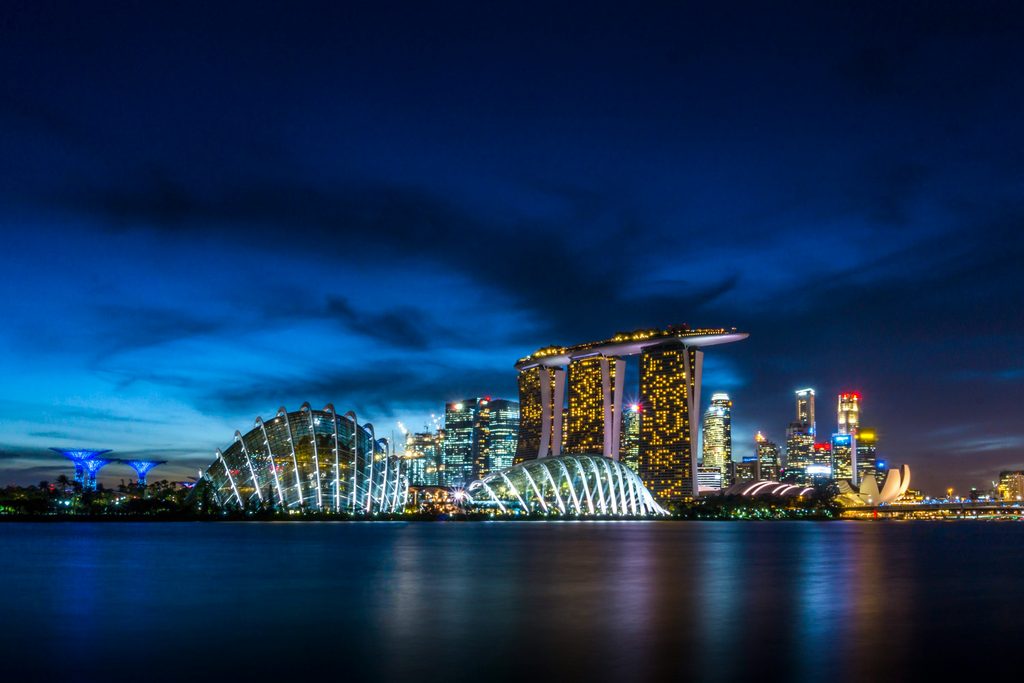
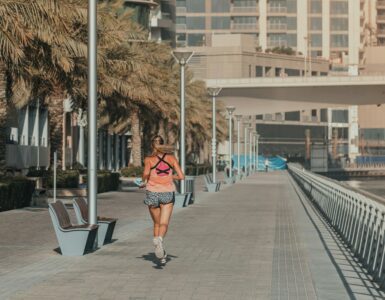
Singapore lets you spend a whole day outdoors without ever leaving the city. The Singapore Botanic Gardens became a UNESCO World Heritage Site in 2015, and entry is free. The National Orchid Garden inside charges a fee.
Beyond the gardens, Singapore’s park connectors link green spaces across the island. The Southern Ridges walk crosses Henderson Waves, a wooden bridge that curves high above the forest. At MacRitchie Reservoir, a treetop walk is a suspension bridge strung between two of the park’s highest points.
Heat is the obvious drawback. It’s hot and humid all year, and afternoon thunderstorms are common. Go out early, carry water, and save the afternoon for something indoors.
Choosing Among These Wellness Cities in Asia
Match the city to what you need. If you want to soak and do nothing, choose Beppu or Seoul. If you want to sit still, go to Kyoto. If you want to learn, go to Chiang Mai or Rishikesh. Singapore is the easy pick for a first trip to Asia, or for a long layover you’d like to spend outdoors.
Whichever city you choose, timing matters as much as place. Arrive early, skip the smoke and monsoon seasons, and follow local customs at the bath or the temple. Those habits make the difference between a crowded sightseeing trip and the reset you were after.