
Looking to stay fit while traveling? Travel disrupts routine fast. Gyms disappear. Schedules shift by time zones. Meals happen at odd hours, in unfamiliar places, with unfamiliar options. Fitness goals often get abandoned within the first two days of a trip.
That doesn’t have to happen. Staying fit while traveling doesn’t require a gym membership or a rigid plan. It requires a few adaptable habits that travel well, regardless of destination. This guide breaks those habits into simple, repeatable routines.
Walk More Than You Think You Need To

Walking is the easiest fitness habit to maintain while traveling. It requires no equipment, no reservation, no membership. Most cities reward walking with better views than driving ever could.
Set a rough daily step goal before the trip starts. Ten thousand steps works as a reasonable target for most travelers. Adjust that number based on your baseline fitness and the terrain you’ll face.
Choose walking over rideshares whenever the distance allows it. A twenty-minute walk beats a five-minute car ride for your body. It also shows you more of wherever you’re visiting.
Explore neighborhoods on foot instead of relying on tour buses. Walking tours combine sightseeing with steady, low-impact cardio. Local guides often know routes that avoid crowded, touristy paths.
Use Hotel Rooms as Makeshift Gyms

Hotel rooms offer more workout space than most travelers assume. A cleared six-foot area handles most bodyweight routines. No equipment gets required for the exercises below.
Start with a simple circuit: push-ups, squats, lunges, and planks. Perform each exercise for thirty to forty-five seconds. Rest for fifteen seconds between movements, then repeat the circuit three times.
Add jumping jacks or high knees between strength moves. These raise your heart rate without needing extra space. Ten minutes of this circuit delivers a genuinely effective workout.
Resistance bands pack flat and weigh almost nothing. They add variety to bodyweight routines without taking up luggage space. A single band covers dozens of different exercises.
Treat Hotel Stairs as Cardio Equipment

Stairwells exist in nearly every hotel, often unused and empty. Climbing stairs burns more calories per minute than most cardio machines. It also strengthens your legs without any equipment required.
Pick a set of ten or fifteen flights as a daily target. Climb them once in the morning and once in the evening. Break the climbs into two or three shorter sets if needed.
Take the stairs instead of the elevator for single-floor trips. This small choice adds up meaningfully across a multi-day trip. It costs almost no extra time compared to waiting for an elevator.
Pack Light Equipment That Multiplies Your Options
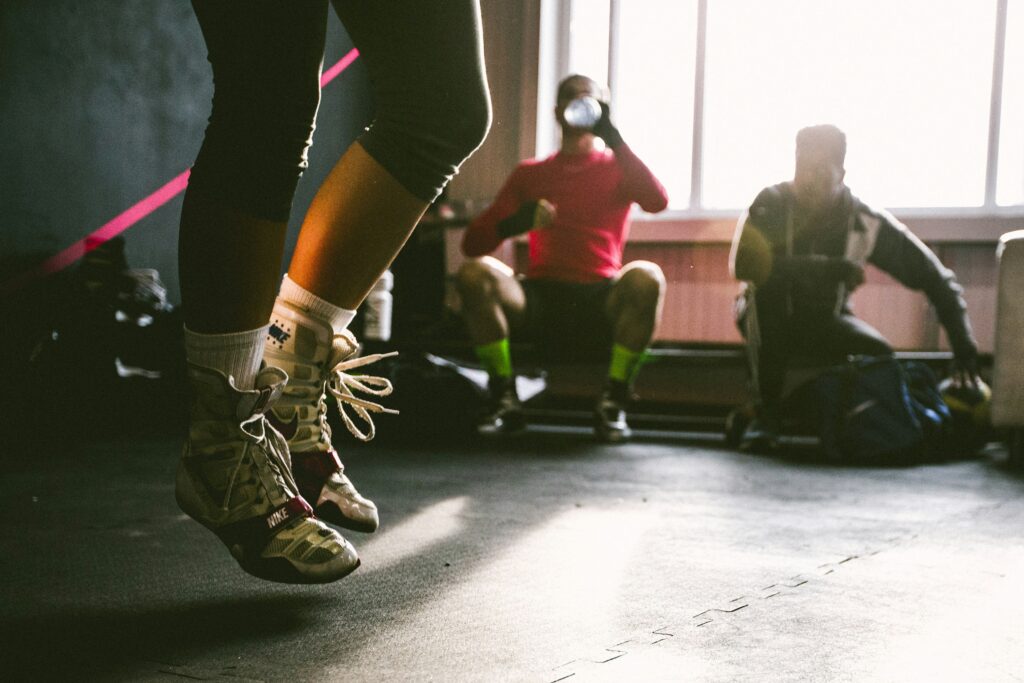
A jump rope weighs almost nothing and folds into any bag. Ten minutes of jump rope matches thirty minutes of jogging in cardio benefit. It works in a hotel room, hallway, or nearby park.
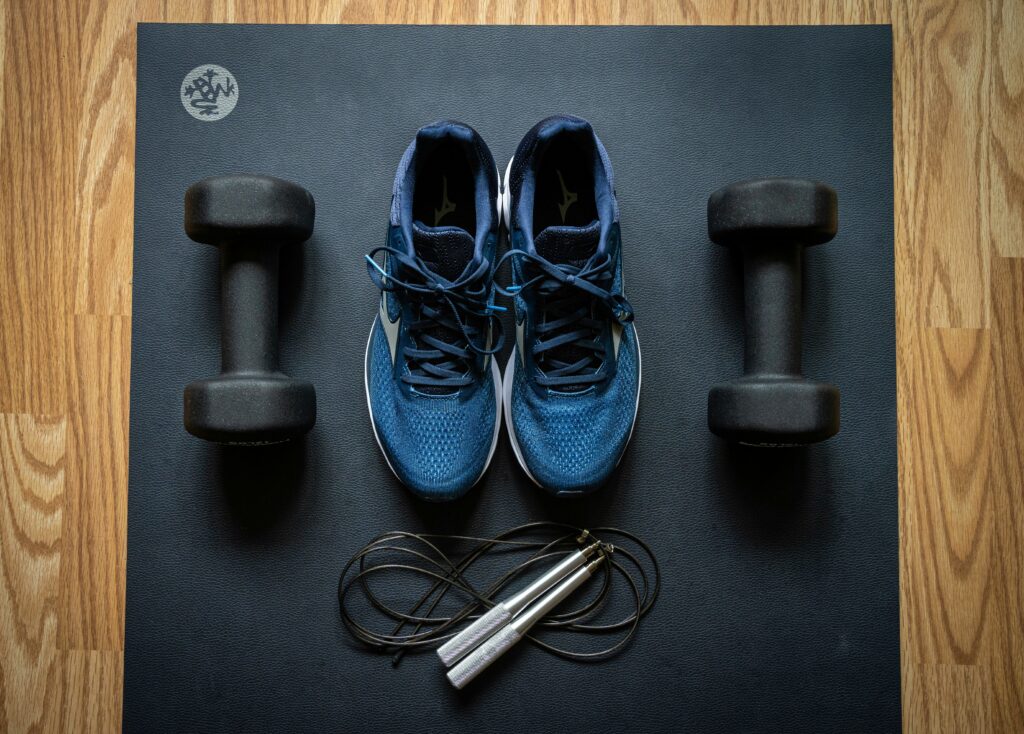
Resistance bands, mentioned earlier, deserve a permanent spot in your suitcase. They handle upper body, lower body, and core work equally well. A full-body workout fits into a bag the size of a sock.
A yoga mat isn’t strictly necessary but helps with comfort. Many hotels provide one on request at the front desk. A folded towel works as a reasonable substitute when no mat exists.
Build Movement Into Sightseeing, Not Around It
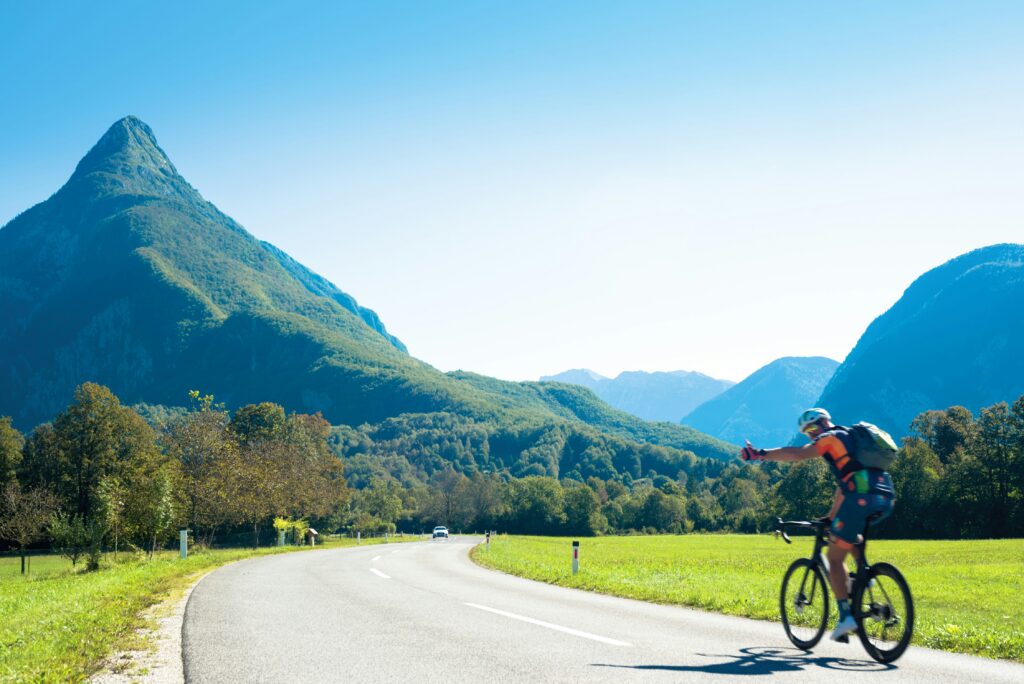
Sightseeing already involves substantial movement most days. Museums, markets, and historic districts all require walking to explore. Frame sightseeing as your primary cardio session, not a break from it.
Choose active excursions over passive ones when options exist. Kayaking, hiking, and biking tours deliver real exercise alongside real experiences. They also tend to create more memorable days than bus tours do.
Rent bikes in cities that support cycling infrastructure. Many European and Asian cities offer affordable bike-share programs. Covering ground by bike burns calories while covering more distance than walking allows.
Prioritize Sleep Over a Perfect Workout Schedule

Sleep affects fitness more than most travelers realize. Poor sleep increases cravings, reduces workout performance, and slows recovery. A missed workout matters far less than a night of lost sleep.
Adjust to new time zones as quickly as possible. Get sunlight exposure early in the day at your destination. This resets your internal clock faster than staying indoors does.
Keep a consistent sleep and wake time where possible. Consistency matters more than the specific hours you choose. Avoid caffeine within six hours of your planned bedtime.
Don’t sacrifice sleep to squeeze in an early workout. A rested body performs better with a shorter workout. Prioritize seven to eight hours of sleep across most travel days.
Rethink Meals Without Overhauling Them

Travel meals often skew toward convenience over nutrition. That’s rarely avoidable and doesn’t need to become a source of stress. Small adjustments matter more than strict rules while traveling.
Look for protein at each meal when menus allow it. Protein supports muscle maintenance and helps you feel fuller longer. Eggs, grilled meats, fish, and legumes all travel well across cuisines.
Choose water over sugary drinks whenever possible. Dehydration is common while traveling, especially on flights. Carry a reusable water bottle and refill it throughout the day.
Sample local food without abandoning portion awareness entirely. Trying new dishes is part of travel’s appeal. Balance indulgent meals with lighter ones later the same day.
Use Downtime Strategically, Not Guiltily
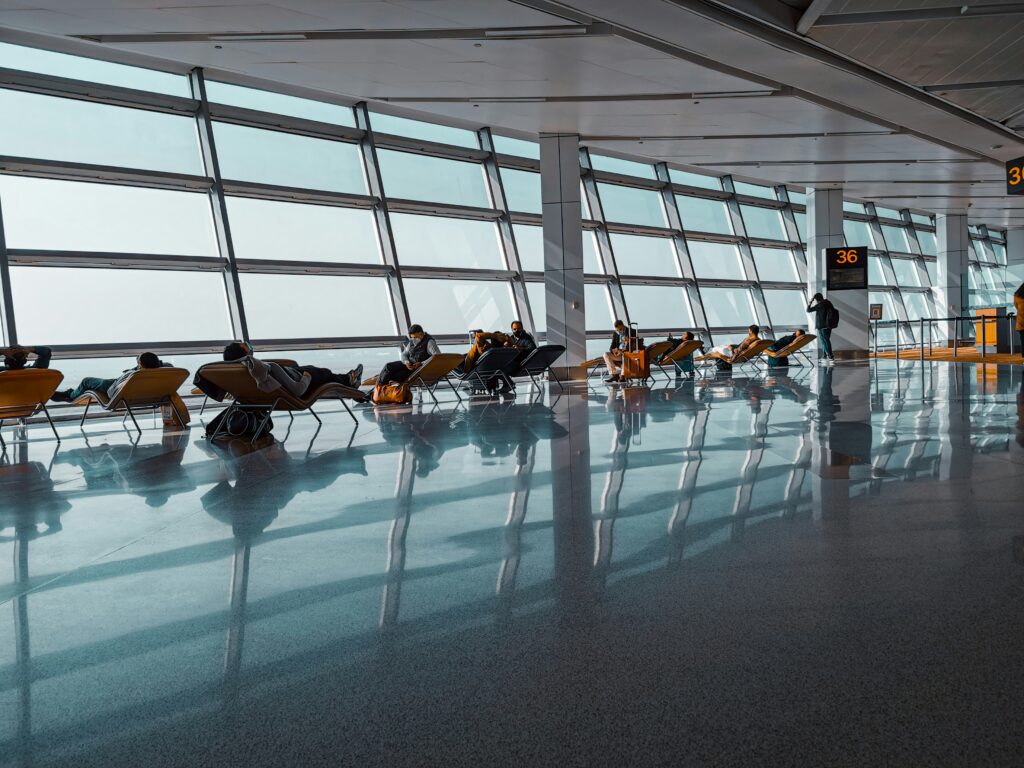
Layovers, waiting rooms, and slow mornings offer small windows for movement. A ten-minute stretch session fits easily into most delays. These windows add up across a multi-day trip.
Stretch your hips, shoulders, and lower back during long flights. Seated positions for hours tighten these areas significantly. Standing and stretching every two hours reduces stiffness considerably.
Avoid treating rest days as failures or wasted time. Recovery is part of any effective fitness routine. A full rest day supports the workouts that come before and after it.
Keep Expectations Realistic and Flexible
Travel schedules rarely match home routines exactly. Expecting an identical workout schedule sets up unnecessary disappointment. Adjust expectations to match the actual shape of each trip.
Some days will allow a full workout and a long walk. Other days will allow only stairs and a short stretch. Both count as meaningful progress toward staying fit.
Focus on consistency over intensity throughout the trip. A short daily routine beats an occasional intense one. Small, repeated efforts compound more reliably than sporadic, ambitious ones.
Plan Before You Leave, Not After You Arrive
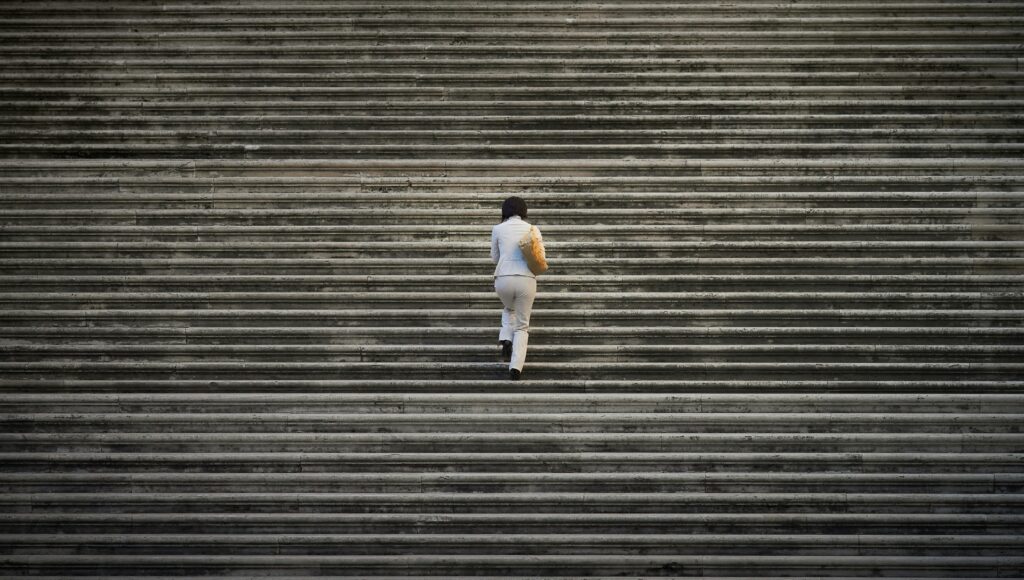
Research your destination’s fitness options before the trip begins. Note nearby parks, running routes, or public stairs. A five-minute search saves confusion once you’ve already arrived.
Check whether your hotel offers a gym or fitness room. Many mid-range hotels include basic equipment at no extra cost. Knowing this in advance shapes what you pack.
Download a workout app that works without a reliable internet connection. Offline access matters in areas with limited data or Wi-Fi. A preloaded routine removes decision fatigue once you’re there.
Build a Simple Default Routine
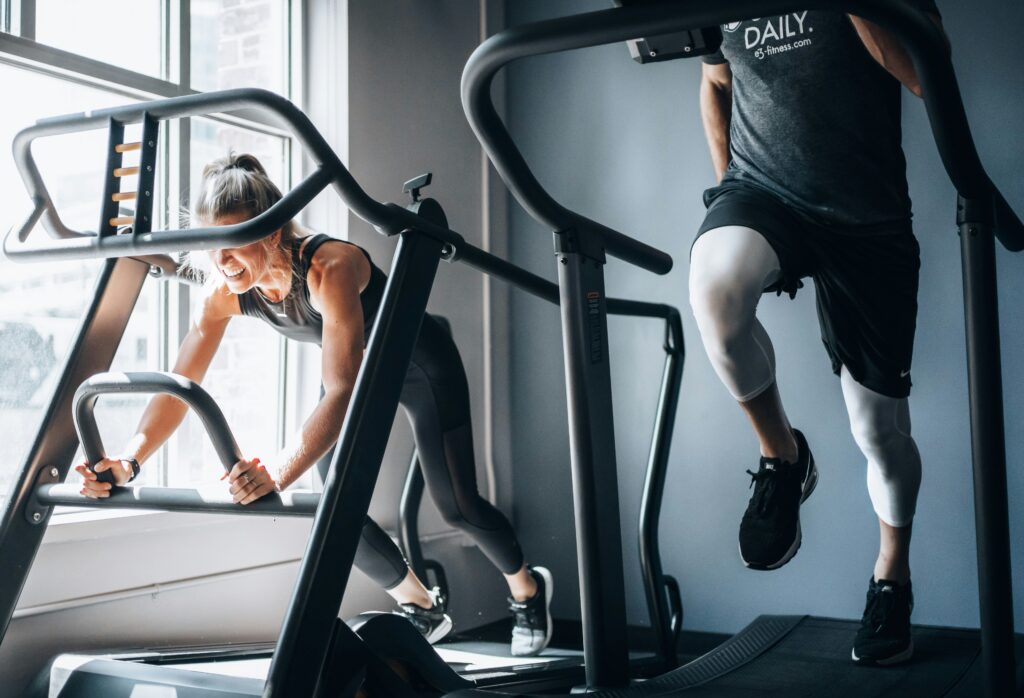
A reliable default routine removes guesswork from busy travel days. Combine a twenty-minute bodyweight circuit with ten minutes of stair climbing. This combination fits almost any hotel, anywhere.
Add a fifteen-minute walk after breakfast or before dinner. This routine takes under an hour total, most days. It maintains fitness without demanding a rigid, inflexible schedule.
Repeat this default routine on days without other plans. Adjust it upward on days with more free time. Adjust it downward on packed sightseeing days without guilt.
Adapt Workouts to Climate and Altitude
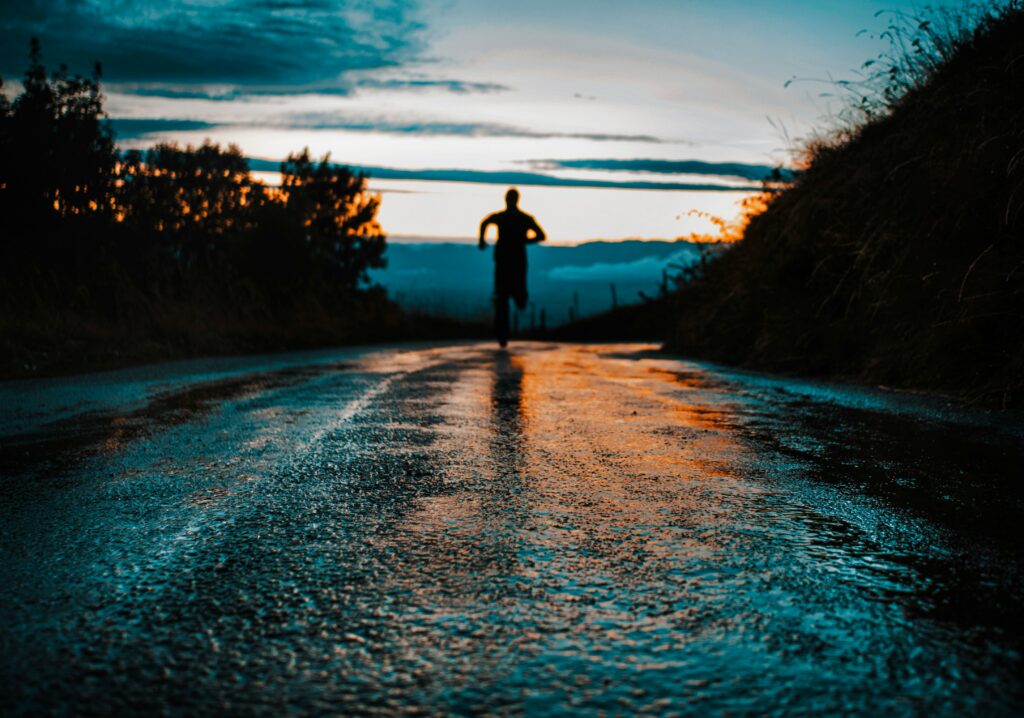
Hot climates change how a body handles exercise. Heat increases dehydration risk and raises perceived effort significantly. Schedule workouts for early morning or evening in warm destinations.
Cold climates present a different challenge entirely. Muscles take longer to warm up in low temperatures. Add a few extra minutes of light movement before stretching or exercising outdoors.
High-altitude destinations reduce available oxygen during exercise. Expect workouts to feel harder than usual for the first few days. Reduce intensity initially and increase it as your body adjusts.
Use Local Parks and Public Spaces

Public parks exist in most cities and often include exercise equipment. Outdoor gyms, running paths, and open fields support a range of workouts. A quick map search usually reveals options within walking distance.
Group fitness classes sometimes happen in public parks, especially in warmer climates. Yoga, boot camp, and dance sessions are often free or low-cost. Joining one offers exercise alongside a brief, low-pressure local experience.
Running paths along waterfronts, rivers, or city parks tend to be well-marked. These paths usually attract other runners and walkers throughout the day. That makes them a reasonably safe default option in unfamiliar cities.
Watch Alcohol and Its Effect on Recovery

Alcohol is common during travel, especially in social or celebratory settings. It disrupts sleep quality even when consumed in moderate amounts. Poor sleep then undermines the next day’s energy and workout performance.
Alternate alcoholic drinks with water when drinking during a trip. This reduces next-day dehydration and supports better recovery. It also tends to reduce overall alcohol intake without eliminating it entirely.
Consider limiting alcohol on days with early morning activities planned. A clear head supports better decisions about food and movement. Recovery, not restriction, should guide these choices while traveling.
Track Progress Without Overcomplicating It
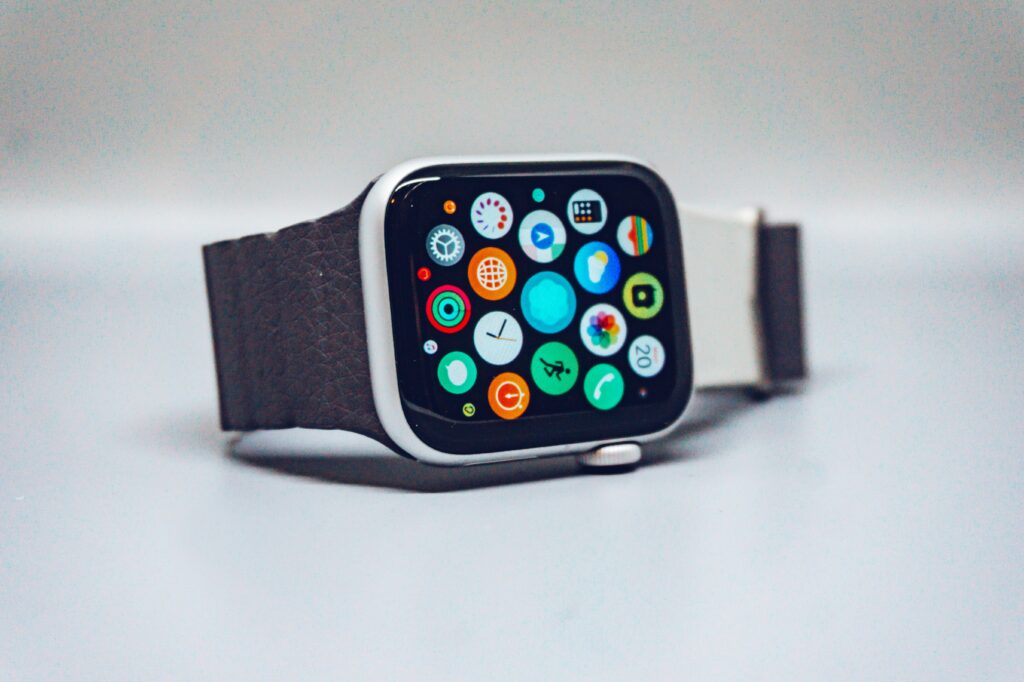
Simple tracking helps maintain motivation across a longer trip. A basic phone app can log steps, workouts, and water intake. Overly detailed tracking often becomes a burden rather than a help.
Take note of how workouts feel, not just how long they last. Energy levels often matter more than exact numbers while traveling. Adjust routines based on how the body responds each day.
Avoid comparing travel performance directly to home performance. Different schedules, foods, and sleep patterns change how a body performs. Judge travel fitness by its own standard, not a fixed benchmark.