
To help someone with seasonal affective disorder, listen first, then offer small, concrete help: a daytime walk together, a steady routine, and a nudge to see a doctor. SAD is a type of depression that follows the seasons, so a clinician should guide treatment. If they talk about suicide, call or text 988.
What seasonal affective disorder is, in plain words
SAD is more than the winter blues. The National Institute of Mental Health describes it as a type of depression with a repeating seasonal pattern, and in most people it starts in late fall or early winter and fades in spring and summer. A smaller group has it the other way around, with symptoms in summer.
The winter version often looks like low mood, low energy, oversleeping, craving carbohydrates and pulling away from people. NIMH calls that last one “hibernating.” If your friend has become quiet every November for a couple of years running, that pattern is worth noticing. For a closer look at the signs, our post on signs of seasonal affective disorder goes through them one by one.
One thing to keep straight: you are not the one who decides whether it is SAD. Only a health professional can diagnose it. NIMH says a diagnosis needs depressive episodes in the same season for at least two years in a row, which is a reason to talk with a doctor rather than guess.
How to help someone with seasonal affective disorder: do this first
Here is the order I would use. It works for a partner, a parent, a roommate or a friend. Start at step one and stop whenever the person says they have had enough for today.
- Check in once, plainly. Ask how they have been since the days got short. Then be quiet and let them answer.
- Offer one small thing. A short daytime walk, a coffee, or a ride to an appointment. One thing, not a plan for the whole winter.
- Raise the doctor visit gently. Do it once the person feels heard, not in the first five minutes.
- Set a steady rhythm. Same day each week, same time, so they do not have to decide each time.
- Watch for danger signs. Know what 988 is before you need it.
What to skip: advice lists, cheerful pep talks and anything that sounds like “just try harder.” Skip the plan to fix everything in one weekend too. SAD tends to come back each winter, so the better goal is steady, low-pressure help that you can keep up until spring.
What to say to someone with seasonal affective disorder
Most people are afraid of saying the wrong thing, so they say nothing. A clumsy sentence said with care beats silence. Keep it short and put the person, not the problem, at the center.
Things that usually land well
- “I have noticed you seem worn down lately. How are you doing?” Best for opening the door without a label.
- “You do not have to cheer up around me.” Best for someone who is tired of acting fine.
- “Want me to come along to the appointment?” Best for someone who is stuck on the first step.
- “I am here Saturdays if you want company.” Best for someone who will not ask.
Things to skip
- “It is just the weather.” It shrinks something real, and the NHS lists low mood, guilt and hopelessness among the symptoms.
- “Think positive.” Skip it if the person already feels guilty for being low.
- “You have so much to be grateful for.” It can add shame on top of exhaustion.
- “Maybe you just need more sleep.” Oversleeping is itself a common winter symptom, so this misses the point.
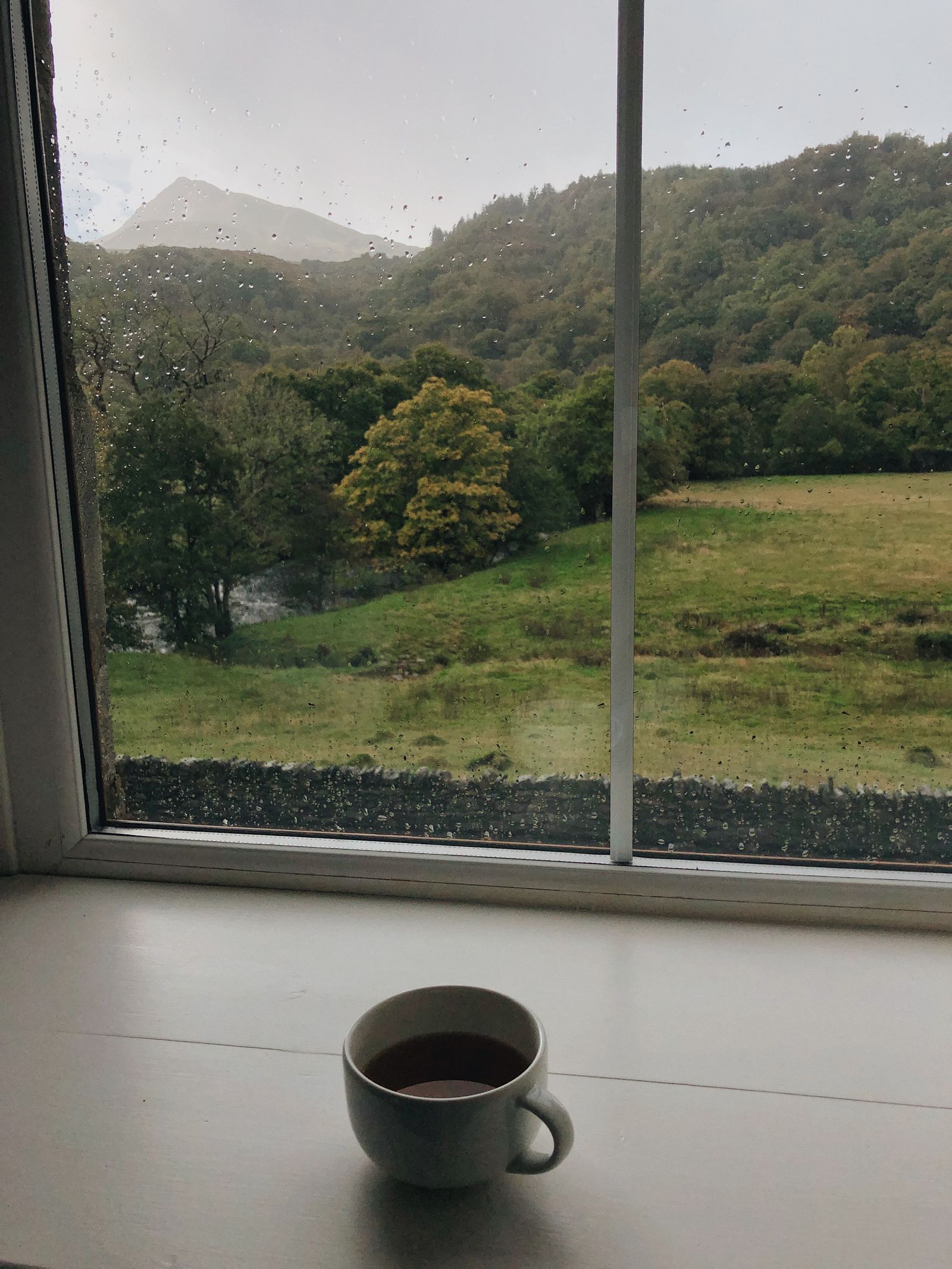
Winters where I live are long, wet and gray, and I have learned that the people around you matter as much as the weather. A friend who texts “walk at noon?” without making it a big deal is worth more than a pile of tips. That is the tone to aim for.
Practical ways to help through a gray winter
Pick from this list based on what the person can manage right now. Not everything fits everyone.
Walk outside in the daytime
The NHS suggests getting as much natural daylight as you can, going outside every day and exercising regularly. A walk with you takes the decision off their plate. Best for someone who says they have no energy, since the walk starts small. Skip it if they are exhausted and snappy that day; offer a drive and a coffee instead.
In the Pacific Northwest, gray daylight still counts, and the trick is clothes, not willpower. I keep a rain jacket and warm layers by the door so that weather is never the excuse. If you are helping someone, offer to bring a spare hat or gloves. A waterfall trail in the drizzle is a lot more inviting when your feet are dry. For ideas on making walks stick, see ways to improve your daily walks.
Share a steady routine
Keeping up usual activities, staying in touch with people and keeping the same bed and wake times are on the same NHS list. You can help by making the routine social. A weekly coffee-shop hour, a Sunday soup, a standing call. Best for someone who is slipping out of habits. Skip adding new commitments if they are already overwhelmed; protect what they already do.
If sleep is part of the picture, our post on tips to sleep better tonight has gentle ideas for the evening.
Help with the light and the logistics
Light therapy is a common treatment for winter-pattern SAD. It usually means sitting in front of a very bright light box, about 10,000 lux, for roughly 30 to 45 minutes a day, often first thing in the morning. Cleveland Clinic adds that morning use seems to work best and that later use may cause trouble sleeping.
Here is the catch. People with certain eye diseases, or who take medicines that raise sensitivity to sunlight, may need to use it under medical supervision. Bright light and antidepressants can also trigger hypomania or mania in people with bipolar disorder. So do not buy a lamp and press it on someone. Offer to research options with them, and let their doctor sign off first. Skip tanning beds entirely. They are not a substitute, and they bring UV risks.
Know what treatment can look like
MedlinePlus says light therapy is the main treatment, but some people do not respond to it alone, and antidepressants and talk therapy can help alone or in combination. There is also a type of cognitive behavioral therapy built for SAD. And the FDA has approved an extended-release form of the antidepressant bupropion, which can prevent seasonal episodes for many people when taken daily from fall through early spring.
Studies of vitamin D for SAD have mixed results, and vitamin D can interact with some medicines. That is a conversation for a doctor, not a shopping trip. Your role is to know the options exist, so that if the person says “nothing helps,” you can say “there are several things to try, and a doctor can help sort them out.”
How to bring up seeing a doctor
This is the step many helpers dread. Anyone with symptoms should talk to a health care provider or a mental health specialist. In the UK, the NHS says a GP will usually ask about mood over time and may use a questionnaire. Nothing about that is scary, and you can say so.
Try framing it around the pattern rather than a label: “This seems to come back every winter. I would feel better if you ran it by a doctor.” Offer to help book the visit, sit in the waiting room or write down what you have noticed. Best for someone who agrees but keeps putting it off. Skip pushing if they say no firmly; wait a week and ask again, kindly.
Not sure where to start? A primary care provider can do a first mental health screening and refer on, as the NIMH help page explains. In the U.S., SAMHSA’s treatment locator lists services too.
Looking after yourself while you help
Supporting someone through months of low mood is tiring, and you are allowed to be tired. NAMI runs family support groups for adults with a loved one who has a mental health condition, led by people who have been there. That can help you feel less alone.
A few ground rules protect both of you. Keep your own walks, meals and sleep. Say what you can offer (“I can do Saturdays”) instead of promising everything. Do not take the mood personally; a short temper in January is usually the illness, not you. And remember you are a friend, not a therapist. If you start to feel worn thin, talking to your own doctor or a counselor is a sensible step.
Warning signs and when to call 988
Sadness that does not lift, and growing hopelessness, are signs to take seriously. Thoughts of death or suicide are among the symptoms of depression. Anyone who is struggling, or worried about someone else, can call or text the 988 Suicide and Crisis Lifeline at 988, or chat at 988lifeline.org. The 988 Lifeline costs nothing, keeps your call private and answers day or night.
If someone is in immediate danger, call 911. Stay with them if you can safely do so. If they mention suicide, take it seriously and connect them with 988 or emergency help rather than trying to manage it alone.
A person who has been diagnosed and is still struggling needs another talk with their doctor, because treatment can be adjusted. Watch alcohol, too. The NHS advises against drinking too much, and a friend who starts leaning on it needs a gentle word.
Frequently asked questions about seasonal affective disorder
How can I tell if my friend has SAD or just the winter blues?
You cannot tell for sure, and you do not have to. I would watch for a pattern: low mood, oversleeping or pulling away every fall and winter that lifts in spring. If it gets in the way of work, relationships or daily life, suggest a doctor visit. A professional can sort out SAD from other causes, which is the safer route.
Should I buy my partner a light therapy lamp?
Wait until a doctor weighs in. Eye conditions, some medicines and bipolar disorder can all change whether bright light is a good idea. A better gift for now is your time: offer to look at options together and go to the appointment. If the doctor says yes, you can shop together.
What if they refuse help?
Stay steady and keep the invitation open. Keep offering small, low-pressure things like a walk or a meal, and try again in a week or two. If they ever talk about suicide, do not wait for them to agree: call or text 988, or call 911 if there is immediate danger.
Can SAD be prevented from coming back each year?
Not always, but its predictability helps. People with a history of SAD might benefit from starting treatment before fall to prevent or reduce symptoms. I would encourage a person who has been through it to talk with their doctor in early autumn, so there is a plan before the first dark afternoon.
This article is general information, not medical advice. Talk to your doctor about your own health.