
Sleep quality gets decided hours before your head reaches the pillow. The work starts around dinner, not at lights-out. Every choice after sunset either builds toward deep rest or quietly erodes it.
Most people treat sleep like a switch they flip at midnight. Your body runs on something closer to a dimmer. Light, temperature, food and screens all turn that dial up or down. The goal is a gradual descent, not a sudden crash.
This blueprint covers the evening habits that move the “sleep quality” needle most. Each one targets a specific lever: timing, light, temperature or mental load. You don’t need to adopt all of them tonight. Stack two or three, then build from there.
Why Sleep Quality Matters More Than Hours
Eight hours in bed means little if those hours are fragmented. Sleep quality reflects how smoothly you cycle through light, deep and REM stages. Deep sleep is when your body handles most physical repair. REM sleep, later in the night, supports memory and emotional regulation.
This is where “recovery debt” comes in. Every night of shallow, broken sleep leaves a small deficit behind. A single good night rarely clears the balance. Consistent evening habits are what pay it down.
Poor sleep quality shows up in places you might not expect. It can drag on your mood, focus, appetite and workout recovery. Evening habits address the cause rather than chasing symptoms the next day.
Set a “Last Call Clock” for Food, Caffeine and Alcohol
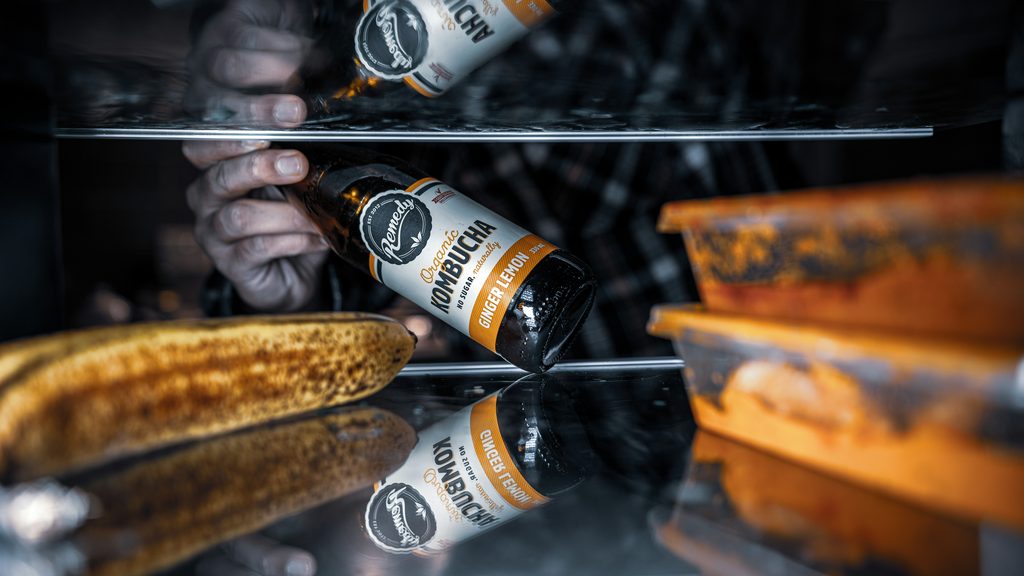
Your digestive system doesn’t clock out when you do. A heavy meal close to bedtime keeps your body busy and warm. Aim to finish dinner two to three hours before sleep. Treat it as your “Last Call Clock,” one deadline for everything you consume.
Caffeine deserves an even earlier cutoff than dinner does. Its half-life runs around five hours for most adults. That means an afternoon latte is still circulating at bedtime. A cutoff in the early afternoon protects your sleep quality.
Alcohol is the trickiest item on the list. It makes you drowsy, so it feels like a sleep aid. In reality, it suppresses REM and increases waking later in the night. That nightcap borrows rest from the second half of your sleep.
Switch On “Dusk Mode” With Smarter Light Habits

Light is the strongest signal your internal clock receives. Bright, blue-heavy light at night tells your brain it’s still daytime. That delays the release of melatonin, the hormone that cues sleepiness. Your evening lighting shapes your rest more than most supplements do.
Start “dusk mode” about two hours before bed. Dim overhead lights and switch to lamps placed at or below eye level. Warm bulbs in amber or red tones work best. Smart bulbs make this automatic by shifting color on a schedule.
Screens are the obvious culprit, but content matters too. A thriller series or work email raises alertness regardless of brightness. Night-shift settings help, but they don’t cancel out stimulation. Set a screen cutoff, or swap scrolling for something slower.
Engineer a “Thermal Drop” for Better Sleep Quality
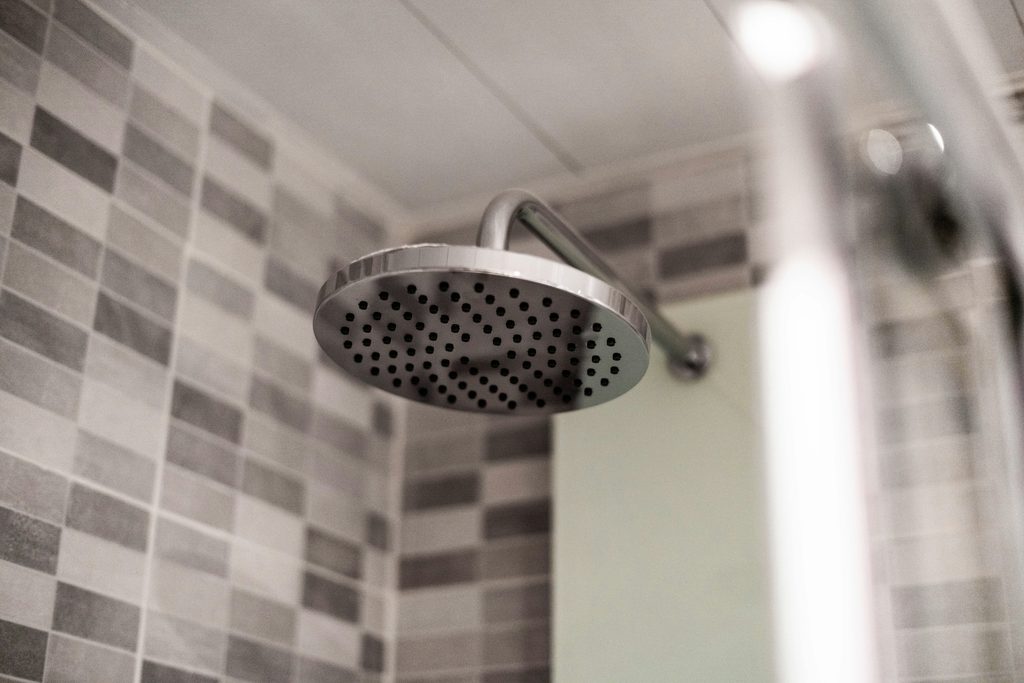
Your core body temperature naturally falls as you approach sleep. That dip is one of the body’s key signals to start winding down. You can amplify it with a few simple moves. Think of it as engineering a “thermal drop.”
A warm shower or bath one to two hours before bed helps. It sounds backward, but the warmth pulls blood toward your skin. Afterward, heat escapes quickly and your core temperature falls. The result is often a faster slide into sleep.
Keep the bedroom cool, dark and quiet. The Sleep Foundation suggests a range of roughly 60 to 67 degrees Fahrenheit. Blackout curtains handle stray light from streetlamps and electronics. A fan or white-noise machine covers sudden sounds.
Turn Your Bedroom Into a “Sleep-Only Zone”
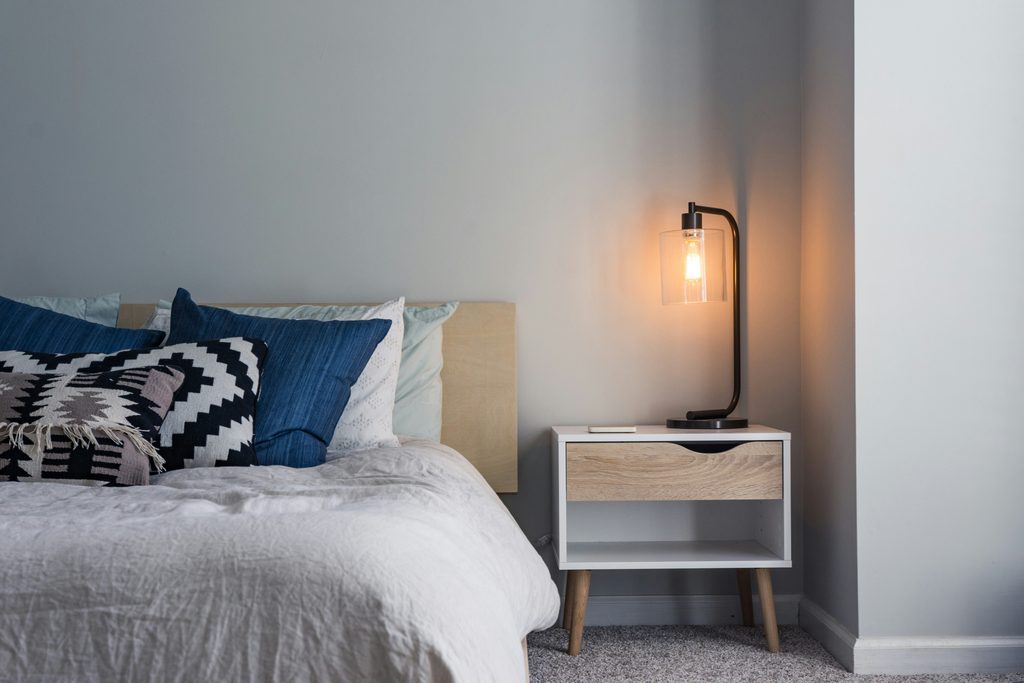
Your brain learns associations fast, including ones you never intended. Answering emails in bed teaches it that the mattress means work. Over time, lying down starts to trigger alertness instead of drowsiness. Sleep specialists address this with a technique called stimulus control.
Make your bedroom a “sleep-only zone.” Keep laptops, work files and the TV in other rooms. Charge your phone across the room or outside it entirely. A boring bedroom is exactly what you want.
Build a “Wind-Down Window” Into Your Evening

Your nervous system needs a buffer between the day and the pillow. A “wind-down window” is 30 to 60 minutes of low-stimulation time. That means no work email and no heated group chats. The point is to shift your body out of alert mode.
Fill the window with activities that feel calm and repeatable. Reading a paper book or doing light stretches both qualify. Slow breathing, with exhales longer than inhales, helps settle your heart rate. Over time, the routine itself becomes a cue for sleep.
Many people now add a “sleepy girl mocktail” or magnesium supplement. Evidence for these trends is mixed, so treat them as optional extras. The ritual may matter more than any single ingredient. Check with a doctor before adding supplements to your routine.
Try the “Mental Offload” to Quiet a Racing Mind
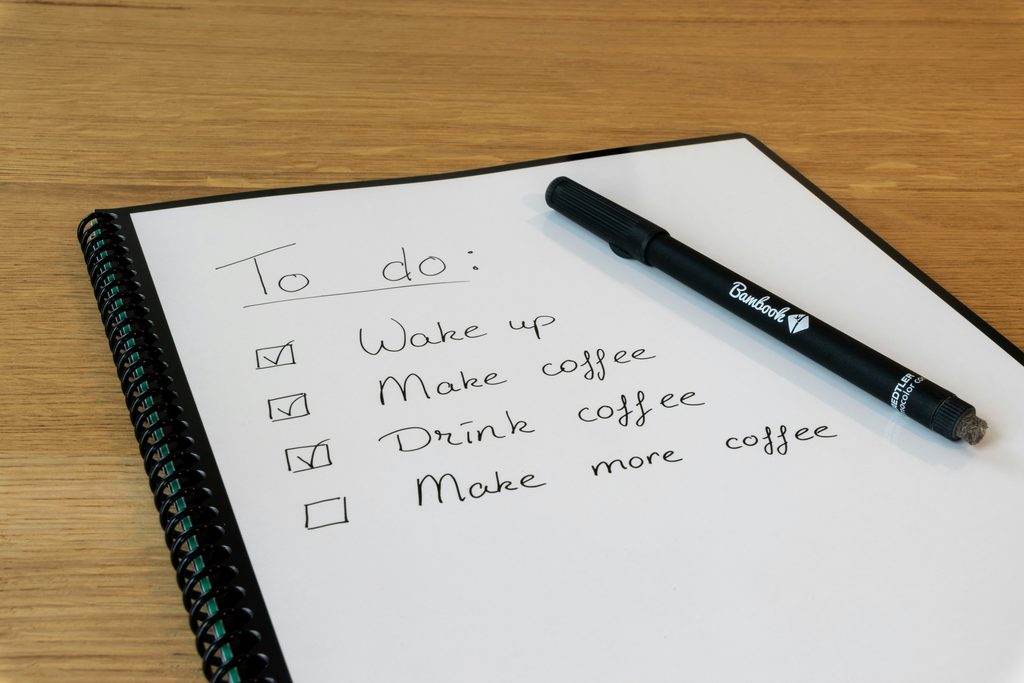
Racing thoughts are one of the most common barriers to falling asleep. Your brain rehearses tomorrow’s tasks the moment the lights go out. The fix is to move those thoughts out of your head first. Call it the “mental offload.”
Spend five minutes writing down everything still on your mind. A specific to-do list for tomorrow works especially well. A Baylor University study found that list-writers fell asleep faster than journalers. Once it’s on paper, your brain can stop guarding it.
Keep a notebook on your nightstand for late-arriving thoughts. Skip your phone for this, since it invites more scrolling. If you’re still awake after about 20 minutes, get up briefly. Do something dull in dim light, then return when drowsy.
Anchor Your Sleep Quality With Consistent Timing
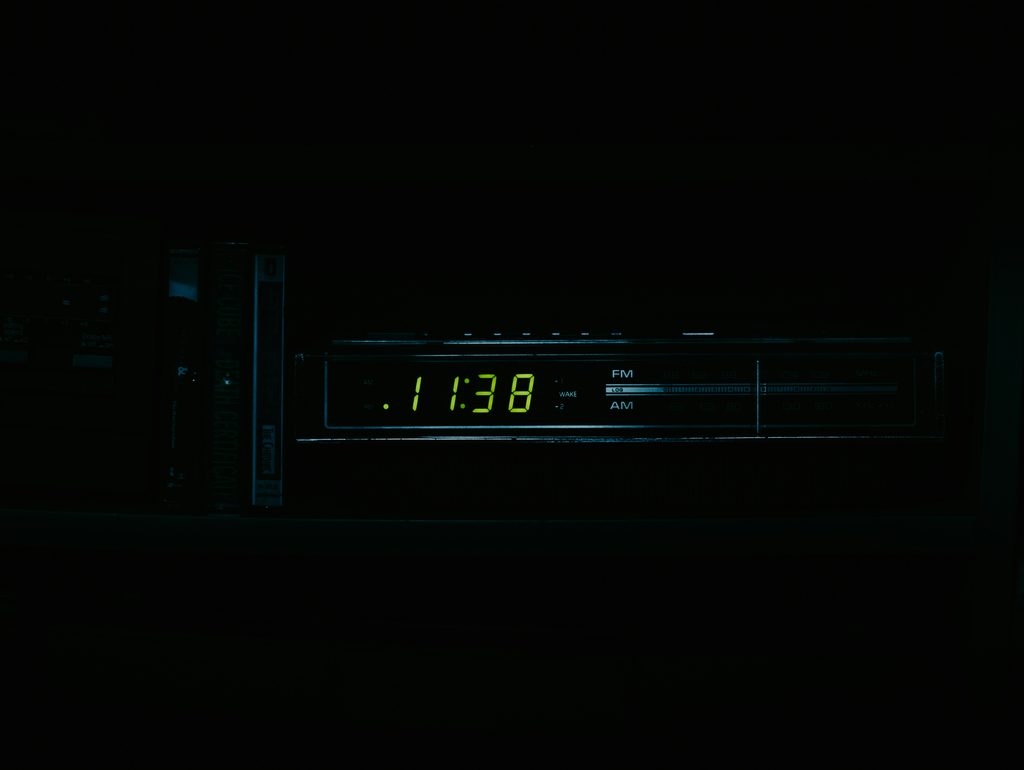
Every habit above works better on a steady schedule. Going to bed and waking at the same time trains your internal clock. Big weekend swings create what researchers call “social jet lag.” That Monday fog is often your body recalibrating.
Pick a wake time you can hold seven days a week. Count back seven to nine hours to find your target bedtime. The CDC recommends at least seven hours a night for adults. Protect that window like any other important appointment.
Wearables and sleep apps can reveal useful patterns over time. Read them as trend lines, not nightly report cards. Obsessing over scores can create its own anxiety, a pattern dubbed “orthosomnia.”