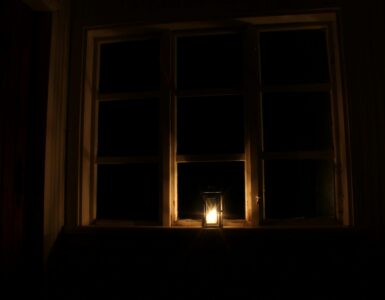
Winter self care ideas that hold up are simple: shorter showers and a thick moisturizer, a walk in daylight, steady sleep, a standing plan with a friend, and a warm lamp at home. Pick two, not ten. If a low mood lingers for weeks, talk to a doctor.
Updated November 18, 2026.
I spent years in Nashville working out what humid summers do to skin and hair, and winter flips the whole routine. Everything gets heavier, plainer and cheaper. The same goes for the rest of life: fewer fancy rituals, more small ones that actually happen.
This list is built that way. Each idea says why it is worth it, who it suits and when to skip it.
Winter self care ideas at a glance
| Idea | Best for | Skip it if |
|---|---|---|
| Short showers and thick moisturizer | Tight, flaky skin by December | Your skin is fine and you have a routine that works |
| Daylight walk | Anyone stuck indoors all day | The weather is truly unsafe; walk the mall or the hall instead |
| Strength and cardio you can do at home | People who quit the gym in cold months | You already move most days |
| Fixed bedtime and wake time | Light sleepers and night scrollers | Shift work makes it impossible |
| A standing weekly plan with someone | People who go quiet in winter | Your calendar is already packed with people |
| Lamps, a throw and one plant | Dark, flat living rooms | You would rather spend on the first four |
If I could only keep three, I would keep the moisturizer, the walk and the bedtime. The home touches are the nicest and the easiest to skip.
Winter skin care: shorter showers, thicker cream
This is the idea with the biggest payoff for the least money. The American Academy of Dermatology says to limit baths and showers to five to ten minutes in warm water, pat skin dry, and put on a fragrance-free moisturizer while skin is still damp. It also says creams and ointments tend to work better than lotions.
That matches what I learned the hard way. A thin summer lotion does very little once the heater is running. Drugstore tubs of plain cream do the job, and I would not spend more until you have tried those for a month. Splurge only on something you enjoy using, because you will use it more.
Put a small tube of hand cream by every sink. The AAD suggests applying it after each hand washing, and wearing gloves outside to guard against cold, dry air. Lip balm or petroleum jelly covers lips, and a clean humidifier in the bedroom adds moisture to the air.
- Best for: dry, tight or flaky skin from December on.
- Why it is worth it: it is cheap, and you notice the difference in days.
- Skip it if: a product stings or burns. Stop using it.
One more point from the AAD. If dry skin keeps going after these steps, see a board-certified dermatologist, since dryness can sometimes point to another skin condition.
Winter hair care without a big bill
Cold air and dry indoor heat are rough on hair, and static makes it worse. What has worked for me is plain: a rich drugstore conditioner left on a bit longer, a satin pillowcase in place of cotton, and washing a little less often.
Hats are the sneaky culprit. A wool hat rubbing on dry hair makes static and frizz, so a satin-lined one is worth a few dollars if you wear hats daily.
- Best for: long or colored hair that gets staticky in a cold week.
- Why it is worth it: small swaps, almost no cost.
- Skip it if: your hair is happy. Spend your effort elsewhere.
Getting outside in the daylight
Winter days are short, and a lot of us go from a dark morning to an office to a dark evening. A ten or twenty minute walk at midday is the easiest fix I know. It costs nothing and gets you out of the chair.
Here is why I take daylight seriously. The NIMH explains that seasonal affective disorder follows changes in daylight, and that for winter-pattern SAD one treatment is a bright light box used for 30 to 45 minutes, usually in the morning. A walk is not that, and I would not call it a treatment. But it is a free habit that puts you in daylight, and it is easy to keep.
Nashville winters are gray and damp more than they are snowy. Bundle up, bring a coffee and go anyway. Porch season is over, but a walk to the end of the block still counts as sitting out in the world.
- Best for: desk workers and anyone home most of the day.
- Why it is worth it: it is free and it breaks up the day.
- Skip it if: ice or storms make it unsafe. Walk laps indoors instead.
Movement that fits a cold week
The CDC says adults need 150 minutes of moderate activity a week, or 75 minutes of vigorous activity, and muscle-strengthening on at least 2 days a week. The 150 minutes can be spread out, such as half an hour on five days.
That is more doable than it sounds in winter. A brisk walk counts. So does dancing around the kitchen while dinner cooks. Strength work can be as plain as squats, wall push-ups and carrying laundry up the stairs with some intent.
My honest view: skip the gym membership you will not use. A pair of dumbbells or a resistance band costs less than a few months of dues, and it lives by the couch where you will see it.
- Best for: people who stop moving when it gets cold.
- Why it is worth it: movement you can do in socks gets done.
- Skip it if: you have a health condition or an injury. Ask your doctor what is right for you.
Sleep: the cheapest idea on this list
The CDC says adults aged 18 to 60 need seven or more hours a day. Its tips are plain: go to bed and get up at the same time every day, keep the bedroom quiet, relaxing and cool, turn off electronic devices at least 30 minutes before bed, and avoid caffeine in the afternoon and evening.
Dark evenings make it tempting to curl up with a phone for hours. I would move the phone first. If you want more ideas for your evenings, the sleep quality blueprint is a good next read.
- Best for: night scrollers and anyone who feels worn out by Wednesday.
- Why it is worth it: it costs nothing.
- Skip it if: your schedule is set by shifts. Do the bedroom parts and let the clock go.

Staying connected when it gets dark early
Winter is when plans quietly fall off. It is dark at five, it is cold, and no one wants to drive anywhere. I try to keep one standing plan a week: a phone call, a coffee, or friends over for soup.
Hosting does not have to be a production. A big pot, store-bought rolls and a few mismatched bowls is plenty, and at a church supper nobody remembers the menu. They remember who sat next to them. If the season is already busy, these tips on holiday stress cover how to keep the calendar from swallowing you.
- Best for: people who go quiet in January.
- Why it is worth it: it is the idea people thank you for.
- Skip it if: you are worn out from people. Make it a short phone call and call it done.
Cozy home touches worth the money
A home in winter works hard. It is the place you spend most of your light. A few warm lamps, a washable throw and one plant on the windowsill do more than a full redecorate. Greenery and soft light carry a room, and that is all you need.
Thrifted baskets and candlesticks cost very little, and they look right with a plain throw. If you want more, these ideas to brighten a dark home have other cheap fixes.
- Best for: dark living rooms and bedrooms.
- Why it is worth it: you see it every day.
- Skip it if: spending on it stresses you. A lamp you already own, moved to a better corner, is free.
When winter low mood may be more than the blues
Feeling flat in January is common. Sometimes it is more. The NIMH describes seasonal affective disorder as depression that comes and goes with the seasons. Most cases follow the winter pattern: it shows up as the days shorten and lifts in spring and summer. Symptoms can include a persistent sad, anxious or empty mood, loss of interest, fatigue, trouble concentrating, and changes in sleep or appetite. Winter-pattern SAD may also bring oversleeping and social withdrawal.
The NIMH adds that symptoms typically last about 4 to 5 months a year. It says to talk to a health care provider or mental health specialist if you notice these signs. Treatments it lists include light therapy, talk therapy and medication, and a provider decides what fits. For a closer look, see this piece on the signs of seasonal affective disorder.
If you or someone you know is struggling or having thoughts of suicide, call or text the 988 Suicide and Crisis Lifeline at 988, or chat at 988lifeline.org. In a life-threatening situation, call 911.
What I would do first, and what I would skip
Start with the shower and moisturizer swap this week. It takes five minutes to set up. Add the daylight walk next, then the bedtime. After that, pick one standing plan with a friend.
The thing I would skip is any big winter overhaul. A new routine with twelve steps lasts about as long as the holidays. Two habits you keep beat ten you drop.
Frequently asked questions about winter self care
What is a simple winter self care routine?
Pick a few small things: a short warm shower with moisturizer right after, a midday walk, a steady bedtime and one weekly plan with someone. I would start with only two and add more once they stick.
How do I keep my skin from drying out in winter?
The American Academy of Dermatology says to keep showers to five to ten minutes in warm water, moisturize while skin is damp, and choose creams or ointments over lotions. If dryness lingers, see a board-certified dermatologist.
How much exercise do I need in winter?
The CDC guidance is the same all year: 150 minutes of moderate activity a week plus muscle strengthening on at least 2 days. Break it into small pieces if that is easier. I would call any movement at home a good start.
How do I know if it is the winter blues or seasonal affective disorder?
Only a health care provider can tell you. The NIMH says to talk to one if you notice symptoms like a persistent low mood, loss of interest or big changes in sleep. If you are having thoughts of suicide, call or text 988.
This article is for general information and is not medical advice; talk to your doctor or a mental health professional about your own health.